Economist Warns Data Center Interconnection Requests May Be Inflated
The power crunch may be smaller than the queues suggest, but still bigger than the grid can handle.

August 20, 2026 – The queue of data center interconnection requests flooding U.S. utilities is not a reliable measure of real demand, according to one economist.
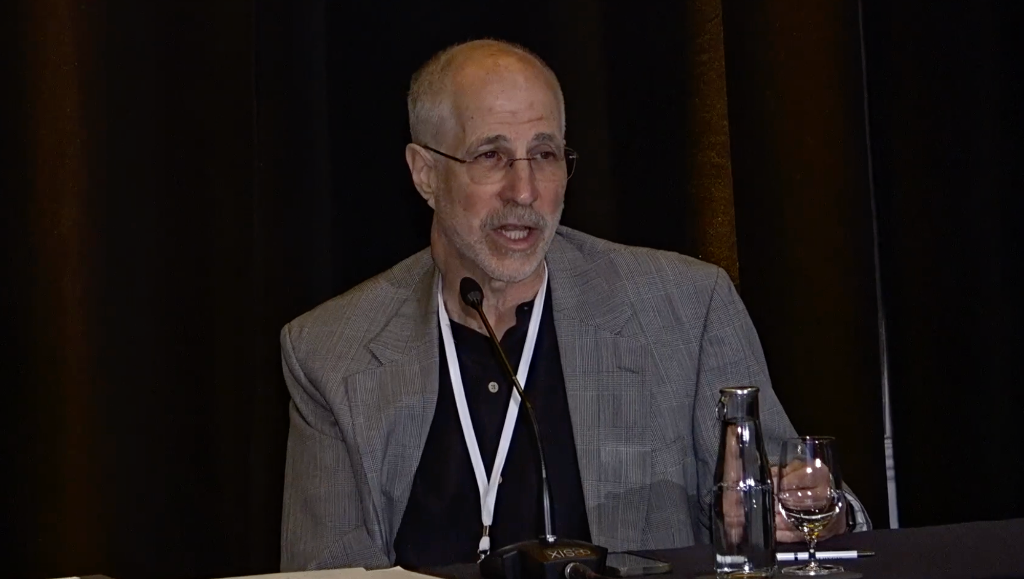
Speaking on a fireside chat at the Technology Policy Institute’s Aspen Forum, UC Berkeley energy economist Severin Borenstein said data center developers routinely file duplicate interconnection requests across multiple utility territories without intending to build all of them, angling to secure a spot wherever power becomes available first.

The result, he said, is queue data that utilities, grid operators, and regulators all know is inflated, but that gets treated in public debate as a straightforward preview of what’s coming.
Borenstein drew a parallel to the late 1990s, when internet-driven electricity demand projections badly overshot reality because computing became far more efficient than expected – usage rose twentyfold while electricity consumption less than doubled.
Last year’s brief market selloff following the DeepSeek announcement, when the Chinese AI lab announced it had built a competitive model using a fraction of the computing power assumed necessary, served as a reminder that even investors aren’t confident today’s AI demand forecasts will hold up, he said.
That uncertainty is already reshaping how utilities do business with data center customers.
Ohio regulators recently approved a settlement requiring large customers to commit to 12-year contracts before a utility will invest in new substations or transmission upgrades for them.
Google was the first company to accept those terms, a move Borenstein said may pay off competitively. He noted companies with large balance sheets can absorb long-term commitment risk more easily than smaller developers can.
Beyond the Ohio settlement, Borenstein noted that the Federal Energy Regulatory Commission has been pressing PJM specifically to get utilities signing long-term contracts before committing to add new capacity.
He noted the environment has shifted quickly: Texas Gov. Greg Abbott went from courting data centers aggressively to pausing new projects pending a review. The state is considering more than 1,800 interconnection requests, seeking more than five times the grid’s current peak capacity.
Regardless of how the interconnection queue numbers shake out, the equipment needed for utilities and regulators to build new capacity isn’t available at the scale required, Borenstein argued, making near-term demand impossible to accommodate
Borenstein put the current pace in historical context, comparing it to two of the largest electricity demand surges in U.S. history: the rollout of residential air conditioning in the 1950s, and the aggressive nuclear power growth forecasts of the late 1960s. The growth in AI-driven demand now being seen, he said, exceeds both.
Meanwhile, the effects on ratepayers are no longer theoretical. In PJM, the 11-state wholesale market covering the mid-Atlantic, a surge in cconcentrated demand has already pushed up wholesale energy and capacity prices. Borenstein estimated the impact at 2 to 3 cents per kilowatt-hour at the retail level, a 10 to 20 percent increase across states.
Industrial customers may end up absorbing more of the pain than residential ratepayers, Borenstein said, because data centers typically connect directly at the transmission level and don’t pay into the cost of the distribution grid. That leaves other industrial users to shoulder a larger share of rising wholesale prices.