FCC Targets Minnesota Schools in E-Rate Fraud Investigation
Letters of inquiry signal a continued push to target fraud in USF.

Mira Bhakta
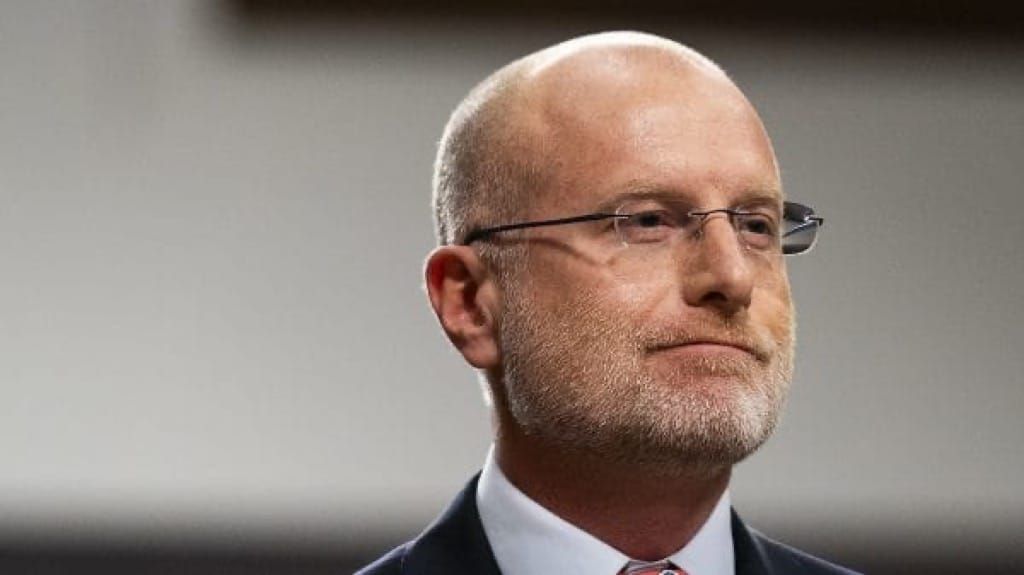
WASHINGTON, May 15, 2026 – The Federal Communications Commission probed three Minnesota educational institutions Friday as part of an investigation into potential misuse of federal E-Rate funding.
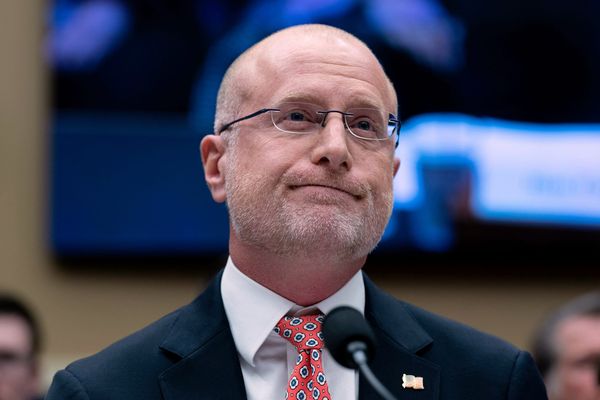
FCC Chairman Brendan Carr said the agency was seeking critical information from institutions suspected of wrongdoing as it continues broader enforcement efforts targeting fraud, waste and abuse within Universal Service Fund programs.
“The FCC is committed to stopping bad actors from defrauding our USF programs, including those who target our E-Rate program as a way to line their own pockets,” Carr said in a statement.
“When billions of dollars are at stake, we need to ensure that the Commission’s programs are working efficiently and effectively,” he said.
The investigation follows a series of recent FCC actions aimed at strengthening E-Rate oversight.
In April, the commission suspended seven individuals allegedly involved in a $14 million fraud scheme targeting the program. The action followed a vote in March to modernize the FCC’s suspension and debarment rules, allowing the agency to act more quickly against suspected violators.
The E-Rate program, funded through the Universal Service Fund, helps schools and libraries obtain affordable telecommunications and internet services to support classroom instruction, digital learning and public internet access.
The commission remains divided over how aggressively oversight reforms should go.
In April, the FCC approved the creation of a centralized E-Rate bidding portal intended to improve transparency and detect fraud risks during the procurement process.
Commissioner Anna Gomez partially dissented from the proposal, arguing the portal exceeded recommendations previously made by the agency’s inspector general.
“I agree with going after fraud, we should be going after the companies that perpetuate that fraud,” Gomez said during the April meeting. “We shouldn’t be making it harder for eligible subscribers to utilize the service.”
The inquiry marks the latest effort by the FCC to tighten oversight of the USF program amid renewed scrutiny over fraud prevention and spending accountability.
The renewed enforcement push comes despite a January report from the Government Accountability Office that found the E-Rate program already maintained comparatively strong anti-fraud protections relative to other federal programs.