Tower Companies Oppose Dish Wireless Bankruptcy Timeline
They want to ensure they could collect on billions in lawsuit claims

Jake Neenan
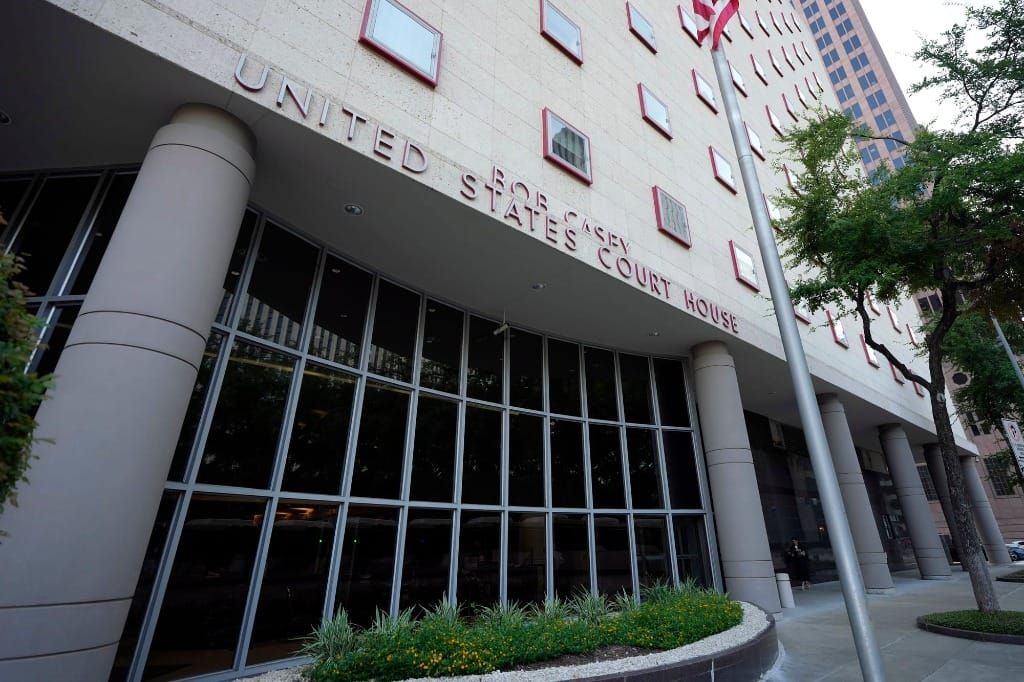
WASHINGTON, July 2, 2026 – Dish Wireless’s bankruptcy proceeding hit a snag Wednesday after a first day hearing that included representatives from tower companies suing Dish for lease and contract payments.
U.S. Bankruptcy Judge Christopher Lopez approved Wednesday multiple motions allowing EchoStar’s pay-TV and wireless network units, Dish DBS and Dish Wireless, to continue operating while the case plays out.
But he did not yet clear motions related to the auctioning and selling of Dish Wireless’s assets, potentially to EchoStar, as part of the process.
Another hearing on those issues will be held on “a date to be determined,” according to the Southern District of Texas Bankruptcy Court’s docket system. A separate second day hearing is scheduled for July 23.
The companies filed for bankruptcy Wednesday, citing a $23 billion spectrum sale from EchoStar to AT&T that's taking longer than expected to close.
A transcript of the Wednesday afternoon hearing in the case was not immediately accessible Thursday, but attorneys from cell tower and infrastructure companies reportedly objected to Dish’s plan, according to Law360 and Bloomberg Law.
Representatives from American Tower, Crown Castle, and SBA Communications were at the hearing, according to the court’s list of attendees. Each of those companies are suing Dish and/or EchoStar for Dish’s refusal to make lease payments after EchoStar’s major spectrum deals last year.
In a filing earlier Wednesday, Crown Castle said it objected to the filings detailing bidding processes for Dish Wireless’s assets. The company argued Dish was trying to rush the process and avoid billions in damages the tower companies believe they are owed.
“The issues that must be resolved in the DISH Wireless Debtors’ cases are many and
complex, and cannot possibly be resolved fairly and with due process on the timeline that the Debtors propose,” Crown Castle attorneys wrote. “The Court should not be forced into making a false choice that for the DBS cases to proceed expeditiously, the DISH Wireless cases must as well.”
Crown Castle took issue with the fact that EchoStar moved its Boost Mobile wireless service outside Dish Wireless after it reached multi-billion dollar spectrum sales with AT&T and SpaceX, and later folded Dish Wireless into Dish DBS as a subsidiary. The tower company said Dish Wireless wasn’t originally involved in an existing restructuring plan for Dish DBS.
Tower lawsuit claims capped?
Lightshed Partners analyst Walter Piecyk wrote in a Wednesday note that Dish Wireless’s bankruptcy was “potentially brutal for the tower companies.”
More than 170 companies are suing Dish Wireless over unmade lease and contract payments, and “hundreds” more have settled, according to a declaration by EchoStar COO John Swieringa.
Dish and EchoStar maintain the contracts are void since the Federal Communications Commission forced EchoStar’s spectrum sales, and Dish won’t receive any of the more than $40 billion in proceeds.
Crown Castle alone is seeking $3.5 billion, and Piecyk estimated American Tower was going after $2 billion. When it approved the spectrum sales, the FCC made EchoStar set aside $2.4 billion to pay out claims if any tower companies won in court.
Piecyk said he believed that under U.S. bankruptcy law, the lease claims would be capped at 15 percent of the amount being sought, which he said was obviously “ugly” math for the tower companies. Dish’s argument on whether it has to pay will now likely be decided within the bankruptcy, he wrote.
Auction of Dish Wireless assets
Dish Wireless is planning to sell all its network assets, the company said in its bankruptcy filings.
Dish has already been shopping around to see if any interested parties might bid on its wireless network, which consists of more than 144,000 radios on more than 24,000 towers. In the process Judge Lopez has yet to green light, the company was hoping to hold an auction on Aug. 12 if such a bidder were found.
EchoStar would be the “stalking horse” bidder in that auction, providing the bidding floor, or scoop up the assets itself if no bidder were found.
Piecyk speculated a company looking to offer mobile service, like SpaceX or Charter, could buy up the network and avoid years of permitting and construction work. The radios, which he said were likely mostly still up, support 600 MHz and AWS spectrum that SpaceX is already buying from EchoStar for its direct-to-device service.
“The cleanest path is for SpaceX, Charter, or another third party to buy the radios and then negotiate fresh leases with the tower companies,” he wrote. “The buyer gets a network at close to salvage cost, and the towers get a paying tenant where they were staring at empty steel.”
FCC pressure
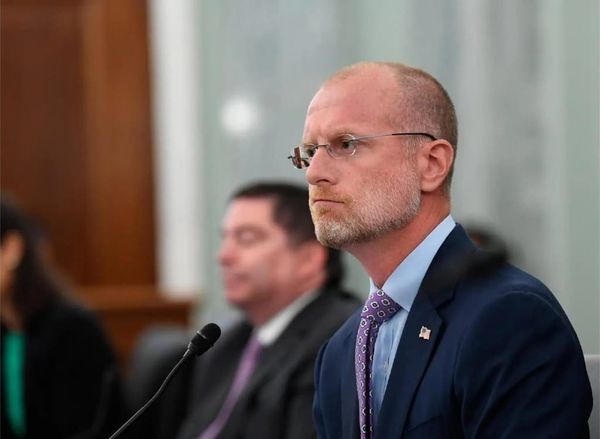
In his declaration, Swieringa said the FCC threatened to revoke EchoStar’s wireless licenses if it didn’t find buyers quickly. FCC Chairman Brendan Carr said last year he did not think the company was putting airwaves to good use.
“During the negotiations, the FCC directed EchoStar to sell spectrum on an expedited basis on terms acceptable to the FCC or face significant license forfeitures,” Swieringa said. I understand that the FCC has never previously required a party to sell its spectrum licenses under threat of termination.”
He said a principle purpose of the bankruptcy filing was to address the billions in claims being levied against Dish Wireless by tower and infrastructure companies.