USTelecom Wants Broadband Permitting Reform, Big Tech USF Contribution in Next Congress
Wiley Rein attorneys said Democratic control would lead to oversight hearing and investigations, but wouldn’t significantly alter the FCC’s agenda

WASHINGTON, Nov. 5, 2026 – Major broadband trade group USTelecom is hoping for permitting reform and a Universal Service Fund update in the next Congress.
Democrats performed historically well in Tuesday’s midterm elections, securing control of both the House and Senate. They’ll take over on January 3, 2027.

In an open letter to lawmakers, USTelecom CEO Jonathan Spalter outlined the group’s legislative goals.
At the top of the list was a request to include broadband in any federal permitting reform package Congress advances. Senators are already working on a bill, the Bipartisan Affordability and Jobs Act (BAAJA), which would overhaul federal permitting law, including provisions that apply to some telecom projects.
Spalter had previously said that legislation “can help clear the path” to broadband permitting reform. Senators are set to vote on the bill Money, No. 9.
“Any reforms should advance clear deadlines, reasonable fees and streamlined approvals so construction crews can build and more communities can get connected,” he wrote Thursday.
There’s currently a 270-day deadline for federal land management agencies to act on permit applications, but companies have complained the process can be opaque and cumbersome.
Bills have been introduced in recent years to ensure compliance with the deadline and improve coordination to speed up reviews. BAAJA would also update the permitting process for federally funded projects.
Proposals to institute shot clocks and fee limits at the local level, both from Congress and the Federal Communications Commission, have been strongly opposed by local permitting agencies. Broadband trade groups have supported the idea, saying delays can hold up or entirely derail projects.
A Republican House bill that would institute those local permitting changes cleared the House Commerce Committee this year, and a GOP staffer said in August that lawmakers wanted to move the bill out of the House by the end of the year.
The legislation lacks Democratic support, and opposition from local groups was strong enough to pull the bill from the House calendar in April. The Senate would also have to clear the bill before it would land on President Donald Trump’s desk.
USF reform
USTelecom is also hoping for modernized USF funding. The $8 billion-per-year FCC program supports rural broadband networks, plus telecom discounts for low-income households, schools and libraries, and healthcare centers.
Lawmakers from both parties and chambers of Congress have been working for years to update the fund, and were nearing a finished discussion draft last month. Then the U.S. Court of Appeals for the Fifth Circuit said the nonprofit the FCC uses to administer the fund was created improperly, potentially complicating their work and delaying it further.
USTelecom wanted revenue from big tech companies tapped as a funding source, Spalter said. USF is currently funded by fees on interstate and international voice revenue, a shrinking pool of cash.
Tech companies have likewise pointed the finger back at ISPs. Decided which powerful industry’s revenue to assess has proved a difficult problem for lawmakers.
USTelecom also wanted funding for rural networks preserved, and to prioritise fiber. The FCC is reviewing USF’s High Cost program that supports networks, and SpaceX had argued it should be rolled back or sunset in light of its satellite broadband service.
Additional goals of the group included cracking down on scam callers, stiffer penalties for network vandalism, and a voluntary cybersecurity framework versus “regulations that bury cyber defenders in checklists and paperwork and take time away from protecting our networks.”
Democrats in control
With Democrats taking control of Congress in January, committees that oversee the FCC and telecom regulation will change hands. Lawmakers will caucus and decide new committee leadership in the coming months
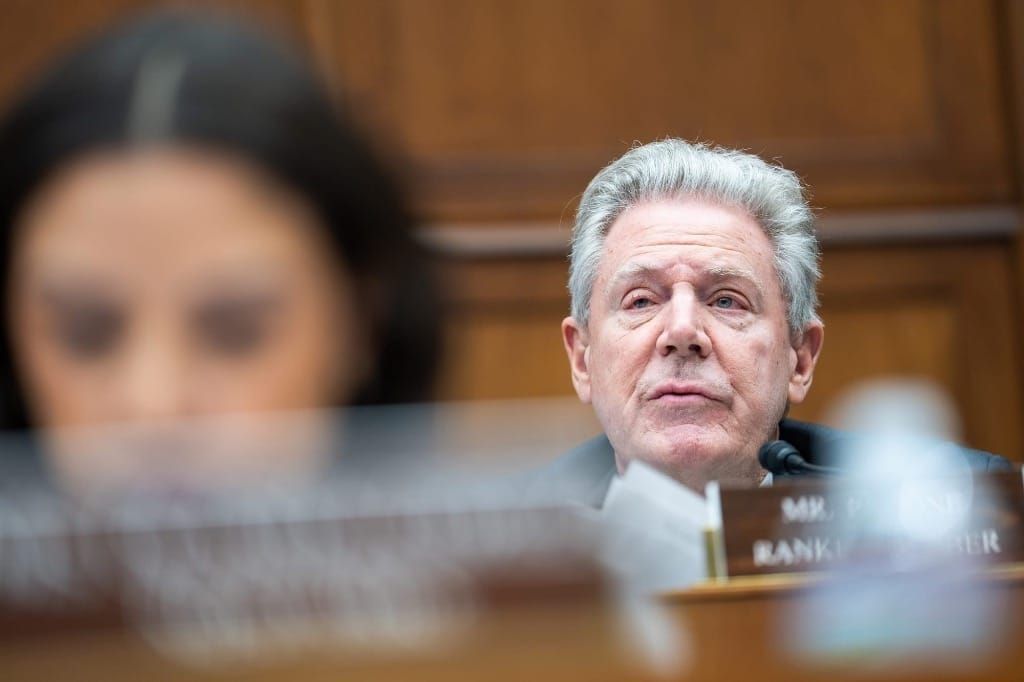
Rep. Frank Pallone, D-N.J., said Wednesday he was seeking to be chairman of the House Commerce Committee; he’s currently the top Democrat on the committee. He mentioned “an aggressive oversight agenda” focused on the Trump administration allegedly “repeatedly breaking the law, violating our Constitution, and enriching Trump, his family and his friends at taxpayers’ expense,” but did not name the FCC.
Sen. Maria Cantwell, D-Wash., the top Democrat on the Senate Commerce Committee, is expected to become chair.
Rep. Doris Matsui, D-Calif., would be in line to head the House Communications and Technology Subcommittee if she wins her reelection bid. On Thursday morning she was leading against Mai Vang, also a Democrat, but AP hadn’t called the race.
“The result will decide whether the subcommittee’s gavel goes to a member with long experience on these issues or opens up for a new Democratic leader,” Benton Institute for Broadband & Society editor Kevin Taglang wrote in a Thursday blog.
Oversight powers?
In a Wednesday blog, Wiley Rein attorneys said Democratic control of Congress likely wouldn’t significantly change the FCC’s agenda, which will still be in the hands of FCC Chairman Brendan Carr. Legislation attempting to reign in or redirect the agency could face a veto from Trump, they said.
The attorneys, led by Wiley partner Kathleen Kirby, said Democrats could seek to fill an FCC vacancy with a Democrat, or refuse to consider Republican Danielle Thumann Severs’ nomination without a Democratic counterpart.
Republicans still control the Senate until January though, and they could push Thumann through before Democrats take the helm. Her confirmation hearing is set for Nov. 10.
It’s also possible Trump would fire FCC Commissioner Anna Gomez, the agency’s lone democrat, and any nominee Democrats would advance if Thumann isn’t confirmed quickly enough.
The agency needs at least three members to vote on new rules
Kirby said it was likely Democrats would hold oversight hearings on multiple FCC actions they’ve disapproved of, including investigations of Disney’s broadcast licenses and ABC’s The View.
“But hearings and letters do not change the legal status of any of the FCC’s actions,” she wrote.
Democrats could also use the Congressional Review Act to try to nullify FCC actions, but those need a president’s signature, something highly unlikely.
Regulated companies should be prepared to respond to Congressional inquiries, though, Kirby said.
“We expect House and Senate committees to take a close look at the dealings of the Trump Administration over the last two years, including its interactions with the FCC and the media industry,” she wrote.