Expert Opinion
BEAD Program’s Success Hinges on Reform
Eliminating the program seems unlikely, considering the NTIA is already far along in awarding grant money to the states.

The Broadband Equity, Access and Deployment program is a $42.45 billion initiative administered by the National Telecommunications and Information Administration of the U.S. Commerce Department. Established by the Infrastructure Investment and Jobs Act of 2021, BEAD aims to expand high-speed Internet access by funding planning, infrastructure deployment and adoption programs.

Expert Opinion
Eliminating the program seems unlikely, considering the NTIA is already far along in awarding grant money to the states.
BEAD Data
More than 58% of unserved and underserved households now have access to high-speed fiber.

BEAD Data
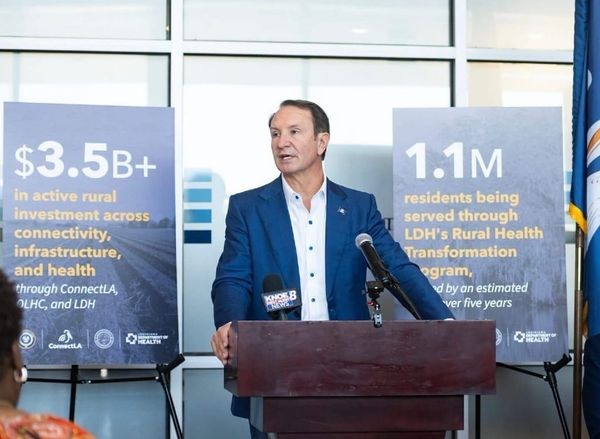
It became the second state to get necessary NTIA approval, one day after Louisiana reached the milestone.

BEAD Data
It's the first state to reach the deployment stage of the $42.5 billion program.

BEAD
States are beginning to get spending plans together for the $42.5 billion broadband expansion effort.

BEAD
More than half reveal permitting challenges, tariffs, and labor shortages threaten to impact BEAD rollout.
Homeland Security Department
FCC does not seem to be affected by the bill.
BEAD Data
It's the final step before projects can get underway.

BEAD Data
At least 20 states have reached the milestone.

SpaceX
NTIA said it has significantly reduced barriers to participation by LEO satellite providers.

House Energy and Commerce
Loper Bright sets the stage for a Republican-led overhaul of broadband and telecom policy in 2025.

New Hampshire
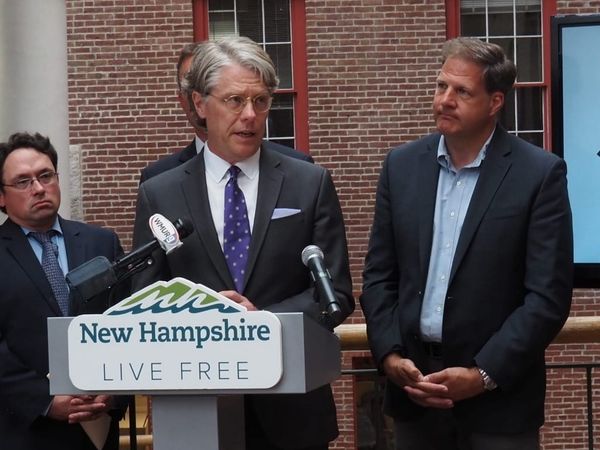
The state will get $191 million for contracts with municipalities and commercial internet service providers to run fiber on remote roads.

12 Days of Broadband
Every state got its BEAD proposal approved, and at least 18 began fielding grant applications.

12 Days of Broadband
States, cities, and private providers led the charge as federal broadband affordability efforts falter.

BEAD Data
The state is set to get fiber to more than 80 percent of its eligible homes and businesses.
Committee on Commerce Science and Transportation
Two bills target BEAD delays, one focuses on U.S. wireless leadership