BEAD
BEAD Participants Could Face Tough Finances: Moffett
NTIA has been adamant that it’s preventing defaults

The Broadband Equity, Access and Deployment program is a $42.45 billion initiative administered by the National Telecommunications and Information Administration of the U.S. Commerce Department. Established by the Infrastructure Investment and Jobs Act of 2021, BEAD aims to expand high-speed Internet access by funding planning, infrastructure deployment and adoption programs.

BEAD
NTIA has been adamant that it’s preventing defaults
BEAD
The state office must execute 93 more contracts by October 2026.

Tribal
The agency announced a 60-day extension to align with BEAD and other funding.

Rural
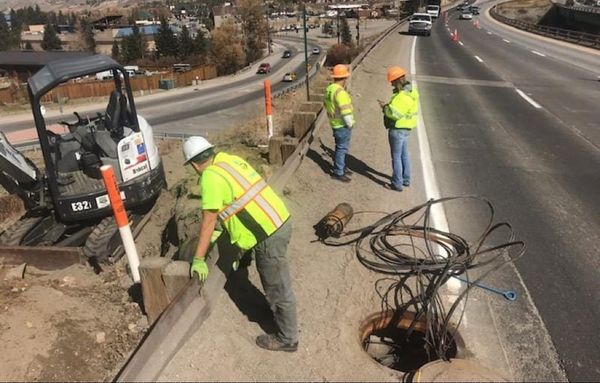
Rural providers participating in a federal program say ‘unforeseen circumstances’ are making a 2028 deadline unworkable.
BEAD
The state’s interconnected backhaul vision depends on uncertain federal funding and expanded legal authority.
BEAD
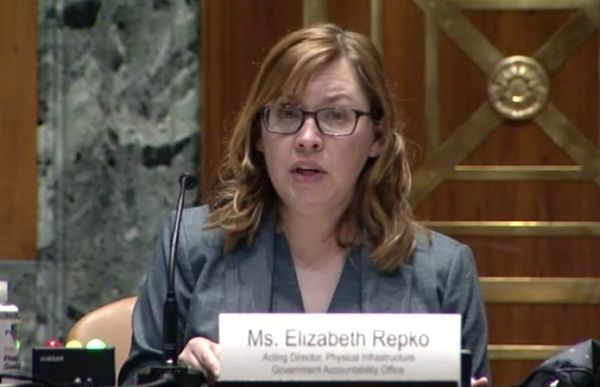
Watchdog says NTIA did not provide updated data or outcomes for awards flagged during Trump administration review.

Congress
GAO tells lawmakers fewer broadband programs may be needed after BEAD

BEAD
The department says claims have been driven by misinformation.

Expert Opinion
We need new ways to fund programs, and the Alt Funding Field Guide makes the case that digital inclusion creates economic value

Wireless
The carrier had pulled the service over the state’s Affordable Broadband Act

BEAD
Four state broadband directors, still awaiting federal guidance on billions in remaining BEAD funds, speak at Broadband Breakfast Live Online event.
BEAD
NTIA would have to publish states’ semiannual reports

BEAD
The state’s LEO locations decreased by nearly half compared to its draft plan. Fiber and fixed wireless didn’t significantly change.

BEAD
State officials say they will have to use state funds to connect the remaining 31,000 locations.

BEAD
NTIA is asking states to remove locations based on new broadband mapping data

Expert Opinion
The real broadband fight isn't over data centers but over whether $21 billion in leftover BEAD savings goes toward helping people actually use the networks being built.