Amazon Leo to Launch 40 More Broadband Satellites Nov. 13
The flight will be a major test for a launch vehicle that has spent months grounded

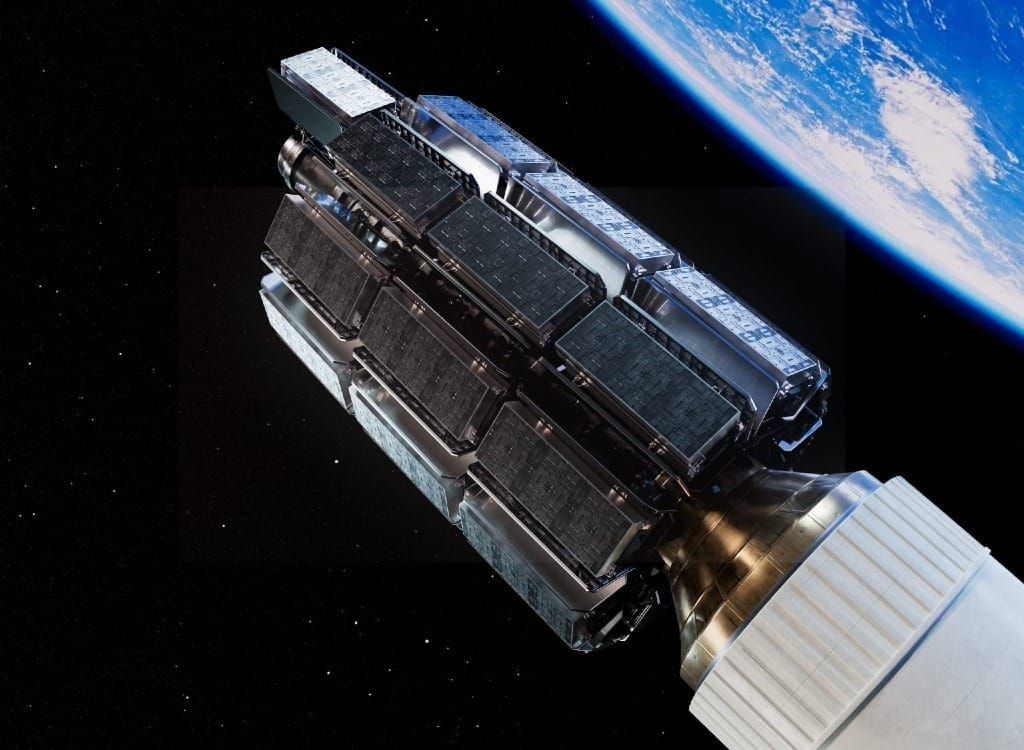
WASHINGTON, Nov. 2, 2026 — Amazon Leo is preparing to launch 40 additional broadband satellites into low-Earth orbit on Nov. 13, continuing the company's effort to build a satellite internet network that will compete with SpaceX's Starlink.
The launch, designated Leo Vulcan 1, is scheduled to take place aboard a United Launch Alliance (ULA) Vulcan rocket from Cape Canaveral Space Force Station in Florida. It will mark the first time Amazon has used Vulcan to deploy satellites for its Leo network.

Amazon has contracted for 38 Vulcan launches as part of its broader satellite deployment effort. The company is also using rockets from other providers, including Arianespace, to put its constellation into orbit.
“Amazon Leo remains on track to get initial service this year,” Amazon CEO Andy Jassy told Wall Street analysts on Oct. 29. He did not have any additional commentary and analysts did not have any questions on the topic. Amazon Leo has 396 LEOs in orbit and hasn't launched any new ones since early July.
The launch is also important for ULA, which has been working to return Vulcan to flight after a February 2026 solid rocket booster anomaly. A similar nozzle problem occurred during an earlier flight, prompting additional testing and changes to the booster design. ULA says the upcoming mission will use an improved nozzle design.
Amazon's satellite network, formerly known as Project Kuiper, is intended to provide high-speed internet service to customers who lack reliable access to traditional broadband networks. The company is planning an initial constellation of more than 3,000 satellites.
Amazon is also targeting Nov. 23 for another launch, which would send 36 additional Leo satellites into orbit aboard an Arianespace Ariane 6 rocket from French Guiana.