
Congress to Revisit the Telecom Act of 1996 Next Week
Lawmakers and experts assert the law is outdated and unsustainable

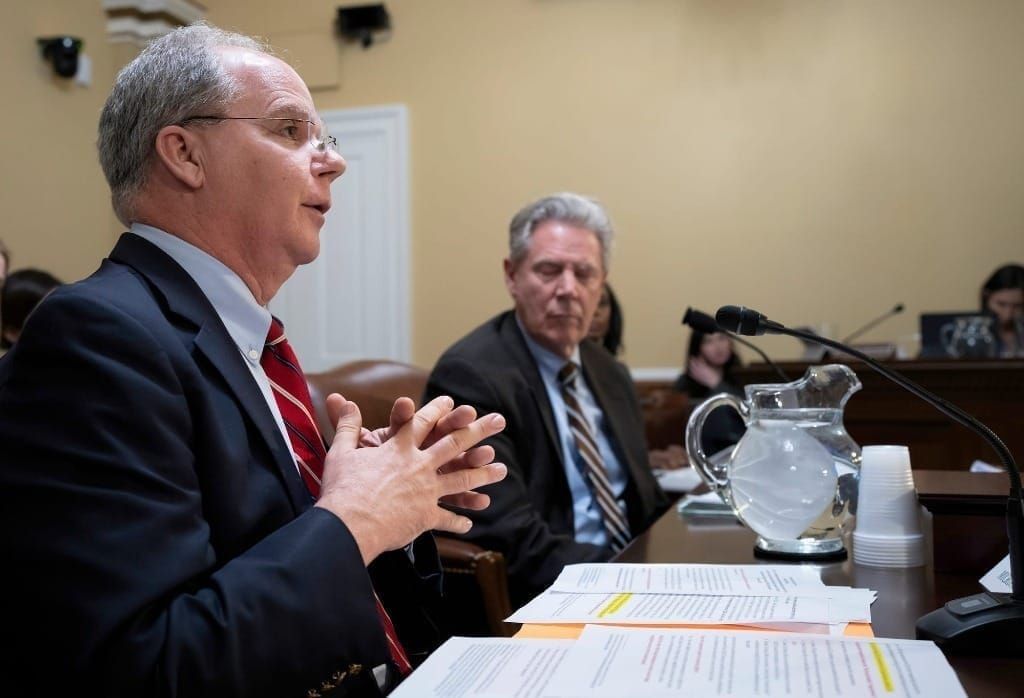
WASHINGTON, March 20, 2026 – Congress will revisit the Telecommunications Act of 1996 next week after calls for its modernization from lawmakers and experts alike.
House Energy and Commerce Chairman Brett Guthrie, R-Ky., and Communications and Technology Subcommittee Chairman Richard Hudson,R-N.C., announced that it will hold a hearing titled “The Telecommunications Act of 1996: 30 Years Later” on Thursday, March 26.
“The communications marketplace has transformed dramatically in the thirty years since the Telecommunications Act of 1996 was signed into law,” Guthrie and Hudson said. “This hearing will examine what parts of the law have worked, what have not, and how Congress can build on those lessons to modernize our laws to promote innovation, strengthen competition, and drive investment in modern communications networks.”

Many lawmakers have echoed Guthrie and Hudson’s comments, especially as the law turns 30 years old this year. The Telecommunications Act of 1996 is largely known to be a momentous law and first major overhaul of U.S. telecommunications and internet. The act promoted competition, reduced regulation and encouraged rapid deployment of innovation and technology.
Throughout 2026, several events, panels and webinars have come together to celebrate and reflect on the Telecom Act’s 30th anniversary, with the most recent being held by the Federal Communications Commission.
Rep. Jennifer McClellan, D-Va., who is a member of the Subcommittee on Communications and Technology, said she has been pushing for the modernization of the act, a law she feels no longer applies to the rapid technological world today. She said this growth, especially in artificial intelligence, is outpacing the country’s technology policies. McClellan spoke at nonprofit Public Knowledge’s Telecom Act event on Feb. 26, expressing frustration that representatives are “not having that conversation in Congress.”
Telecom Act staff architects John Windhausen and Gina Keeney said recent partisanship in the federal government has prevented progress in broadband and connectivity, efforts that started by the Telecom Act. At the FCC’s 30th Anniversary of the 1996 Telecommunications Act Webinar, both Windhausen and Keeney said the funding mechanism for the Universal Service Fund (USF) is unsustainable and needs modernization.
INCOMPAS CEO Chip Pickering echoed this sentiment at the Benton Institute for Broadband and Society’s Telecom Act at 30 event. He said mandating a modernization process for USF every three to five years would have been more efficient, and would have allowed the law to keep up with technological growth.
It’s safe to say many lawmakers and experts have been waiting for this conversation to happen.
The Subcommittee on Communications and Technology’s hearing to review the law is scheduled for 10:15 a.m. ET on March 26, in Room 2123 of the Rayburn House Office Building.






Member discussion