USF
FCC to Consider High Cost Update at May Meeting
The agency will also vote on broadband data collection and robocall items.

The Telecommunications Act of 1996 expanded the Universal Service Fund to ensure that all Americans, especially those in rural or low income communities, have broadband access. The FCC administers the fund through four programs: High Cost Support Mechanism, Low Income Support Mechanism, Rural Health Care Support Mechanism, and Schools and Libraries Support Mechanism.

USF
The agency will also vote on broadband data collection and robocall items.
FCC
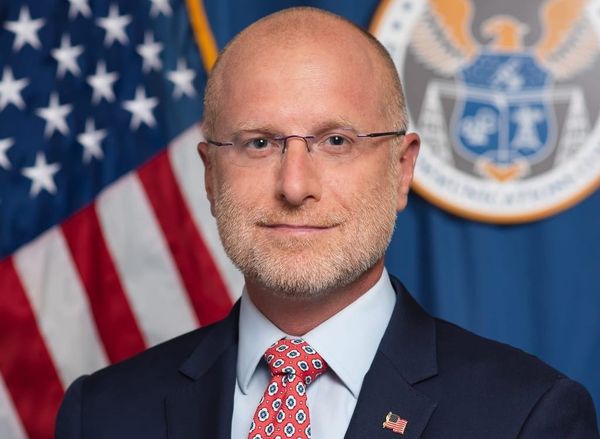
FCC conducting a ‘top-to-bottom’ evaluation of USF programs, Carr says.
Mike Romano
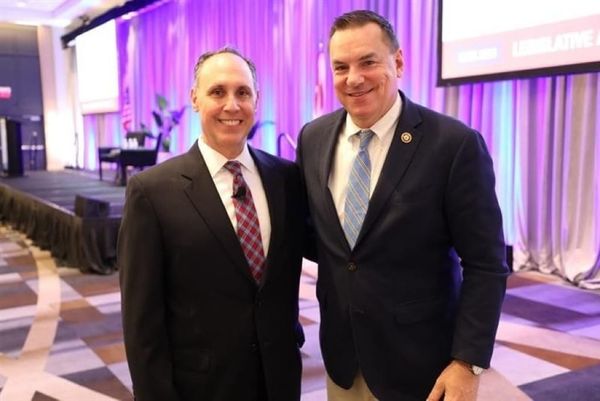
Energy and Commerce Subcommittee Chairman Richard Hudson calls current funding model unsustainable as reform talks advance.

USF
Groups warn proposal could add burdens and deter participation.
USF
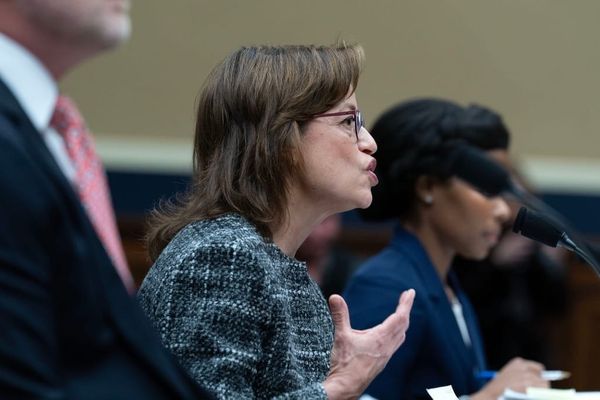
FCC insists it’s necessary to prevent fraud.
USF
New York City’s reliance on companies like Spectrum and Verizon has not delivered affordable or universal service, analysts say.
USF
Meanwhile, the FCC is seeking comment on how it might improve USAC
USF
Increased competition in already-served markets could leave rural communities behind.
USF
Lawmakers are working to update the fund’s contribution base.

USF
A new report detailed how federal subsidies were spent as reforms and scrutiny grew.
AI
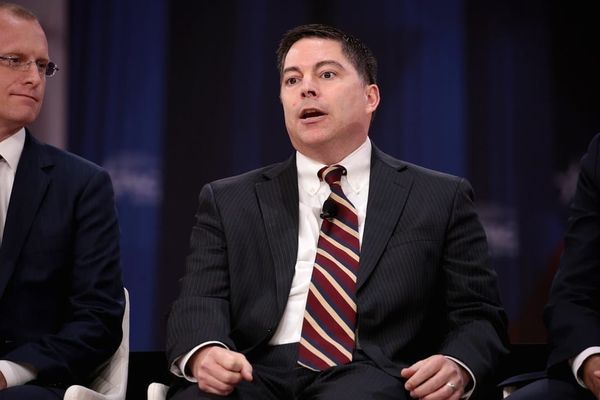
Ahead of Thursday's hearing, witnesses point to opportunities to promote competition, broadband classification, and AI infrastructure.
USF
The fund’s opponents are pursuing another lawsuit against the program.
USF
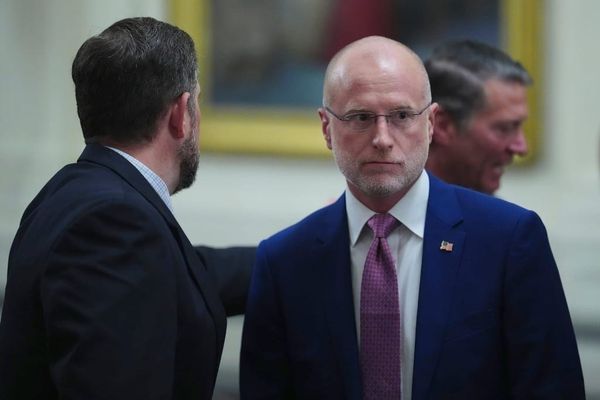
Those convicted will be suspended from all universal service programs for the next three years.
USF
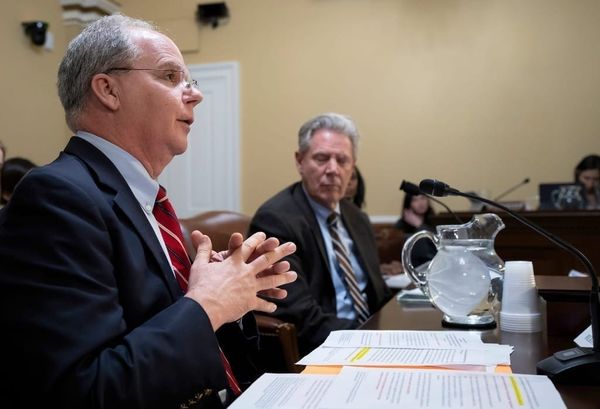
Lawmakers and experts assert the law is outdated and unsustainable
USF
Lawmakers and experts say the USF funding mechanism is unsustainable and outdated.
USF
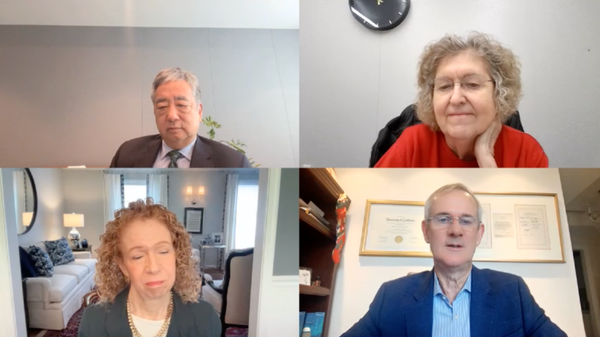
Panelists also discuss the unsustainable funding of the USF and the making of Section 230.