Democratic Congress Could Put New Pressure on FCC Chairman Brendan Carr
Democrats' new congressional majority could increase scrutiny of the FCC's regulatory decisions

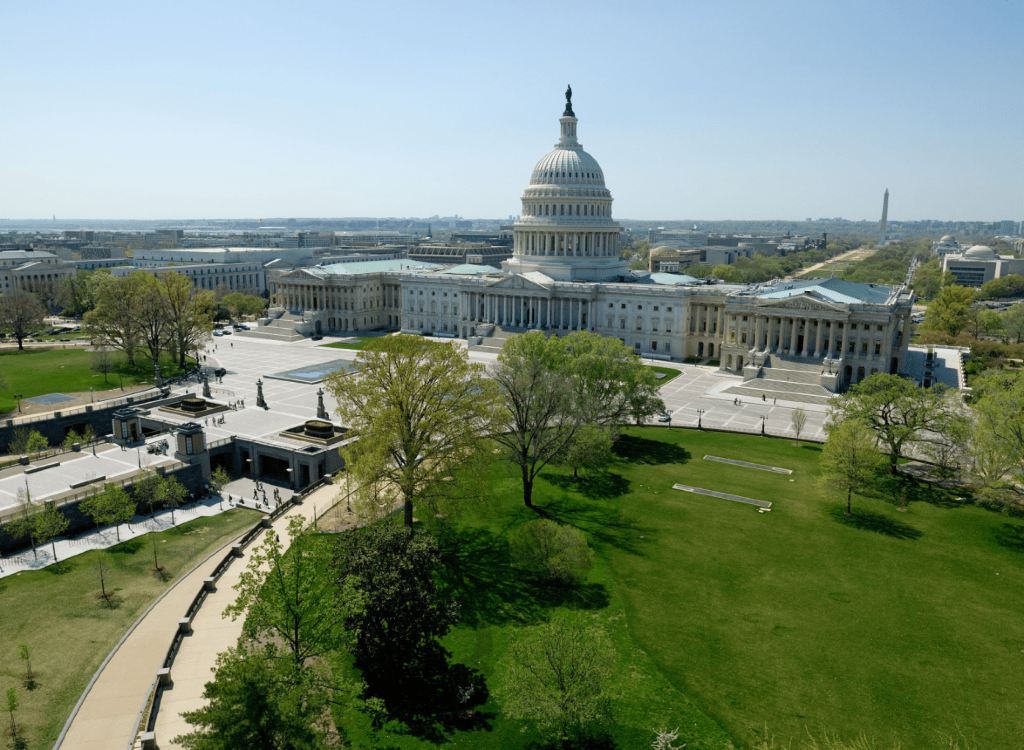
WASHINGTON, Nov. 5, 2026 — Democrats' gains in the midterm elections will give the party control of Congress in January, changing the congressional oversight landscape for Federal Communications Commission Chairman Brendan Carr and the Trump administration's telecommunications policies.
Democrats won control of both the House and Senate in Tuesday's elections, giving the party an opportunity to reshape congressional oversight of the FCC when the new Congress convenes in January. The shift will give Democratic lawmakers greater power to investigate agency decisions, hold hearings, and challenge the Trump administration's telecommunications agenda.

Carr, who was appointed FCC chairman by President Donald Trump, has pursued an aggressive regulatory agenda involving broadcasters, wireless providers, and broadband companies. Democratic lawmakers have criticized several of his actions, particularly his use of the agency's regulatory authority in disputes involving media companies.
The election results could give those lawmakers a more direct way to challenge the chairman's approach.
Democrats are expected to use their new committee leadership positions to examine the FCC's decisions and question whether the agency is using its authority appropriately. The House Energy and Commerce Committee, which oversees telecommunications policy, and the Senate Commerce Committee are likely to play central roles. The committees could examine the FCC's handling of broadband regulations, spectrum policy, universal service programs and media ownership rules. Lawmakers could also seek information about the agency's enforcement actions and its relationship with companies regulated by the commission.
One significant change will come at the House Energy and Commerce Committee, where Rep. Richard Hudson, R-N.C., lost his reelection bid to Democrat Richard Ojeda. Hudson chaired the committee's Communications and Technology Subcommittee, which oversees the FCC and the National Telecommunications and Information Administration. His defeat means he will not return to lead the panel in the next Congress, leaving Democrats to select a new chairman after taking control of the House. Hudson also chaired the National Republican Congressional Committee, the campaign arm of House Republicans.
The change in congressional control could also affect the FCC's leadership.
President Trump nominated Danielle Thumann Severs, a senior counsel to Carr, to fill one of the commission's vacant Republican seats. The Senate Commerce Committee has scheduled a Nov. 10 hearing on her nomination.
Republicans still control the Senate during the lame-duck session, which gives them an opportunity to advance her nomination before Democrats take control in Jan.. If confirmed, Thumann Severs would give Republicans three seats on the five-member commission, alongside Carr and Commissioner Olivia Trusty. Democratic Commissioner Anna Gomez is currently the commission's only Democrat.
Democrats have already pushed for Gomez to receive another term alongside consideration of Thumann Severs. With control of the Senate changing hands, Democrats will have greater influence over the timing and consideration of future FCC nominations.
The election does not immediately change the FCC's authority or Carr's position as chairman. But it could make it more difficult for the administration to advance its telecommunications priorities without facing congressional scrutiny.
For broadband providers and other communications companies, the new Congress could bring more hearings and questions about how federal policy is affecting the industry