USF
FCC’s Trusty Looks to Universal Service's Next Phase
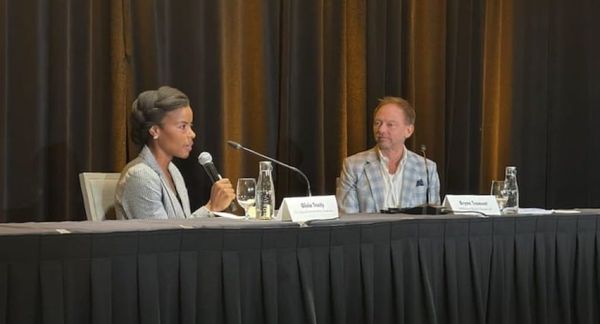
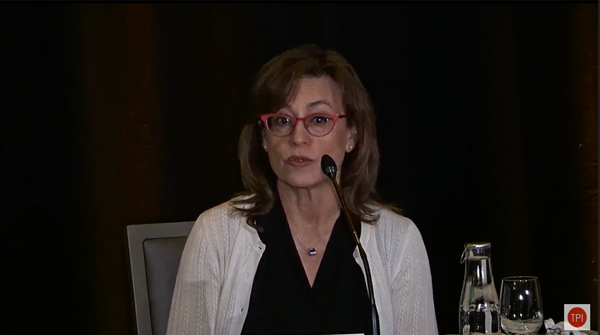
Trusty pointed to lessons from recent trips across the country as she considers the FCC’s approach to rural connectivity.

The Telecommunications Act of 1996 expanded the Universal Service Fund to ensure that all Americans, especially those in rural or low income communities, have broadband access. The FCC administers the fund through four programs: High Cost Support Mechanism, Low Income Support Mechanism, Rural Health Care Support Mechanism, and Schools and Libraries Support Mechanism.

USF
Trusty pointed to lessons from recent trips across the country as she considers the FCC’s approach to rural connectivity.
Funding
Report advocates modernization as FCC considers retrenchment across major programs
USF
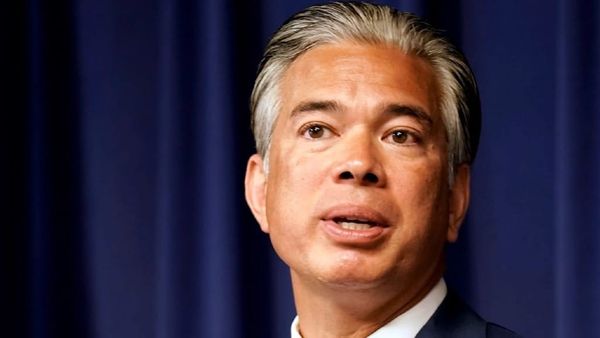
The state was involved in a companion case, and feared it would lose the ability to sue again if the suit were dropped
FCC
Gomez’s comments came just after Disney filed a lawsuit against the commission Tuesday morning.

Expert Opinion
Now that the big three carriers are jointly building satellite direct-to-device coverage, BEAD should stop chasing rural mobile and stick to connecting unserved homes.
Expert Opinion
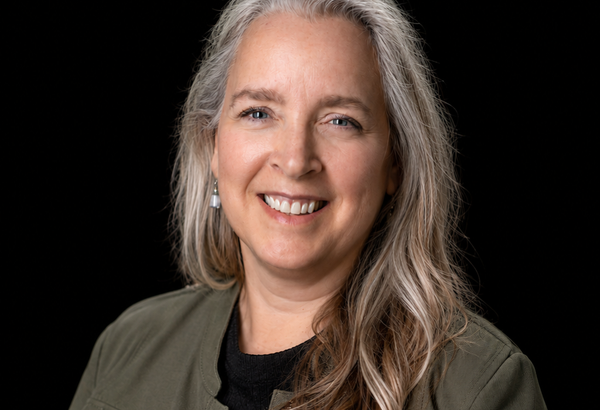
O'Connor charts Alaska's shift from village pay phones to fiber and telehealth, crediting universal service and the Alaska Plan while noting BEAD's work is unfinished.
FCC
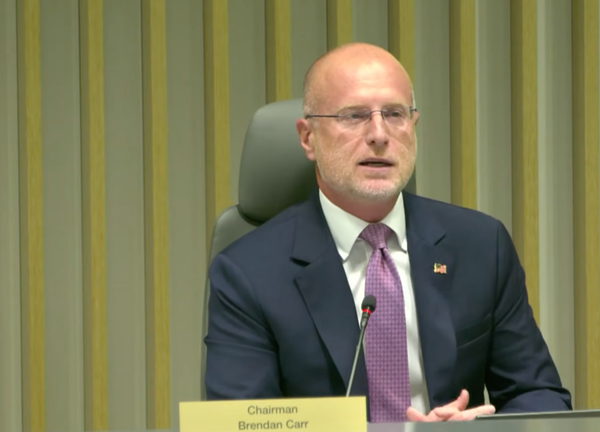
FCC Chairman Brendan Carr said the agency was working on ‘three big, new spectrum auctions’ for 2028

USF
A Fifth Circuit panel heard oral arguments Wednesday in Consumers' Research's latest challenge to the program
USF
The state program will offer eligible households discounts toward broadband service beginning Dec. 1.
USF
State regulators say AT&T’s federal preemption claim lacks merit.
FCC
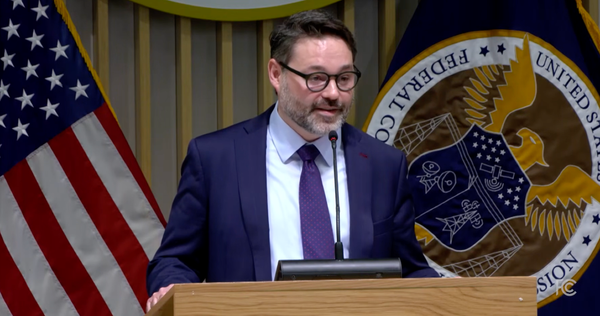
Wireline chief discusses updating the program which supports internet access for nearly all U.S. public schools

FCC
The agency questions USAC’s processes, expenses, governance structure and long-term role as the Universal Service Fund’s administrator.
USF
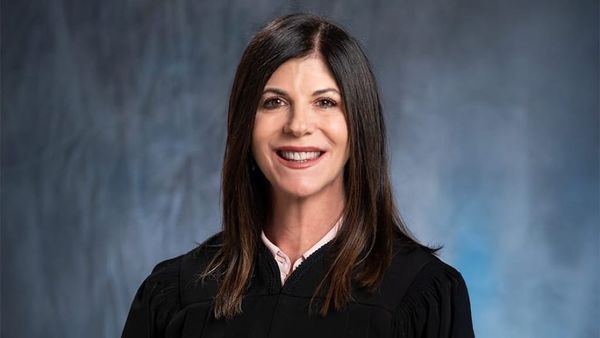
A federal judge denied AT&T’s preliminary injunction request, but allowed advocates, local governments, and a telecom group to enter the case
Spectrum
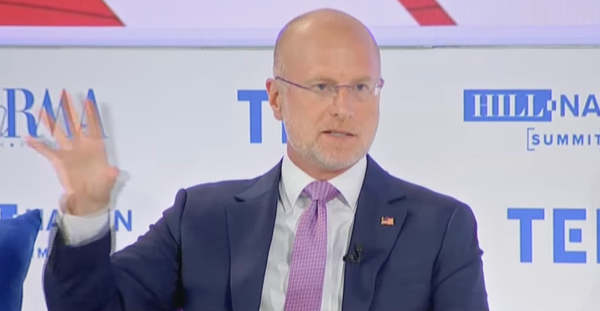
The agency would consider 225 megahertz of unlicensed spectrum for the service
Funding
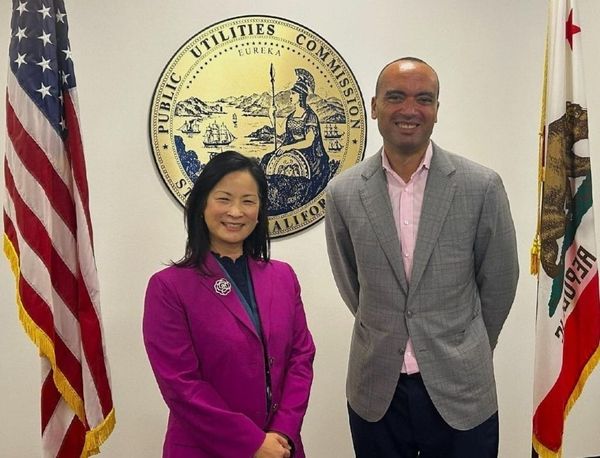
The California Public Utilities Commission (CPUC) hiked the state’s Universal Service Fund tax to help fund the grants.
Rural
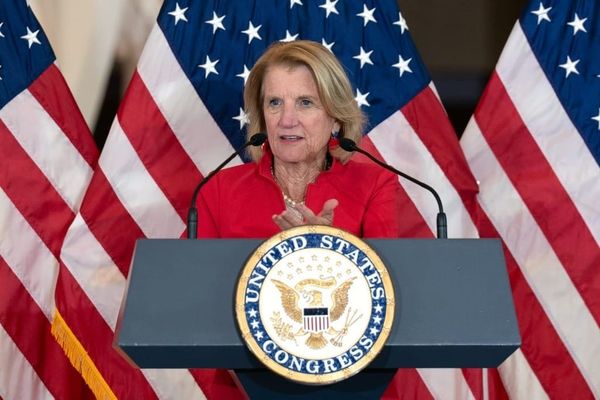
The senator says the new law will strengthen vetting of companies participating in federal broadband programs.