Incompas, the internet and competitive networks association, is a trade association representing internet, competitive communications, infrastructure, energy, and technology companies that advocates for competition policy across all networks.
The program ran from 10 a.m. ET - 10:45 a.m. ET
Watch the Broadband Breakfast Live Online-INCOMPAS program above. Register for the full summit.
Broadband Breakfast will be covering remarks by individual members of Congress in the Broadband Community Discussion Forum, from the INCOMPAS Policy Summit. (Free signup required.)
Sign up for Broadband Breakfast
Get all the news on internet and competitive networks.
Better Broadband, Better Lives
Articles from INCOMPAS Policy Summit:
INCOMPAS Backing Maryland ISP’s Preemption Bid
FCC preemption extends to networks providing both broadband and telecom services, the trade group argued.
Experts Call for Modernization, Rewrite of 1996 Telecom Act
Ahead of Thursday's hearing, witnesses point to opportunities to promote competition, broadband classification, and AI infrastructure.
Telecom Act Aides Say Failure to Define Broadband Sparked Years of Regulatory Fights
At the Benton Institute event, panelists reflect on successes and failures of the Telecom Act of 1996
More Ideas for Use of BEAD Non-deployment Funding
NTIA has been taking input on how to allow states to spend the roughly $21 billion in remaining program funds.
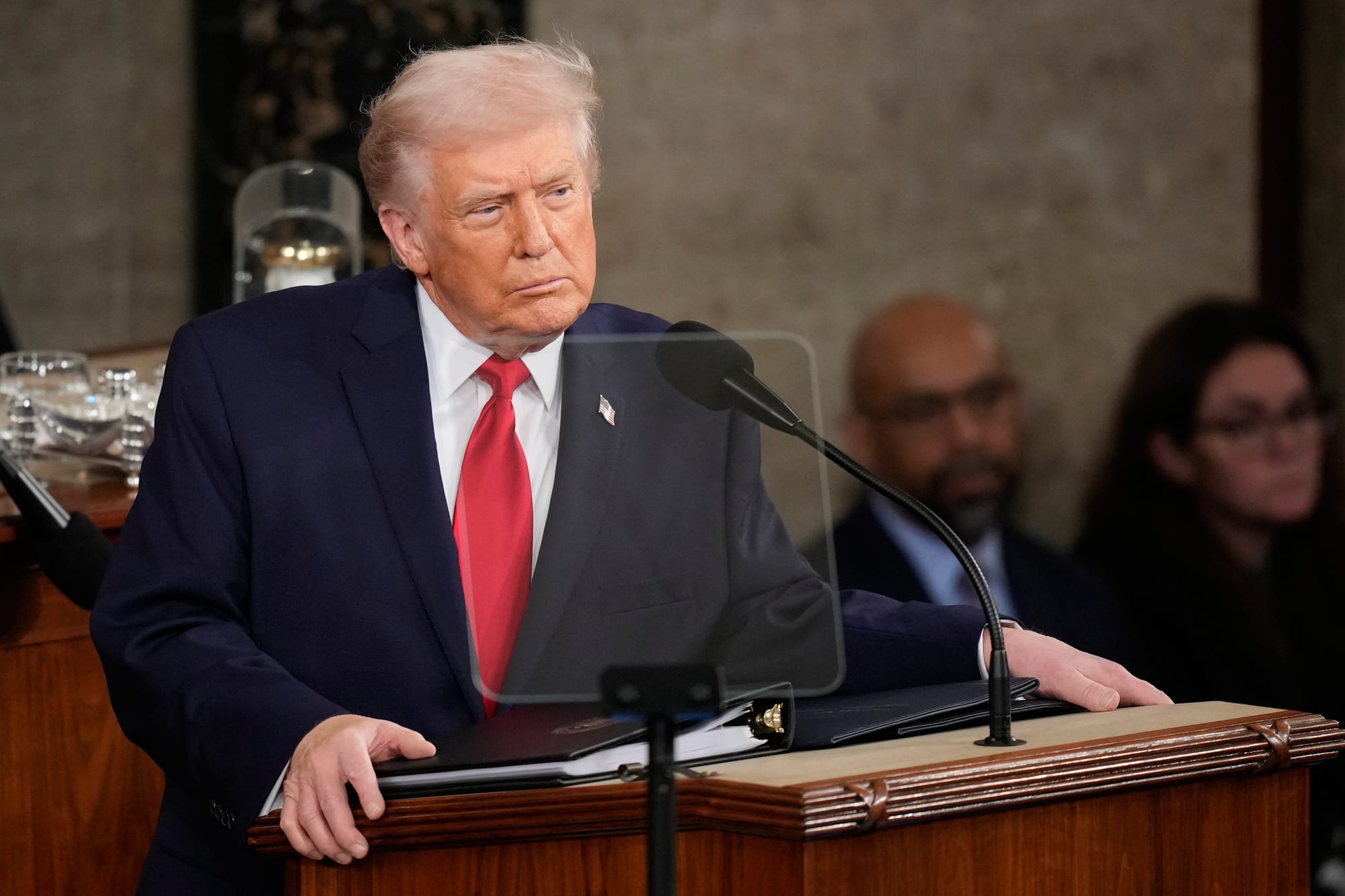
Trump Announces Data Center ‘Rate Payer Protection Pledge’ at SOTU
Trump says his administration negotiated with large tech companies to produce their own energy for data centers.
Trump Energy Deputy: Nuclear Power Needed to Meet Demand for AI Infrastructure
The Energy Department has taken steps to start enriching uranium to fuel the AI race, said Assistant Secretary Timothy Walsh
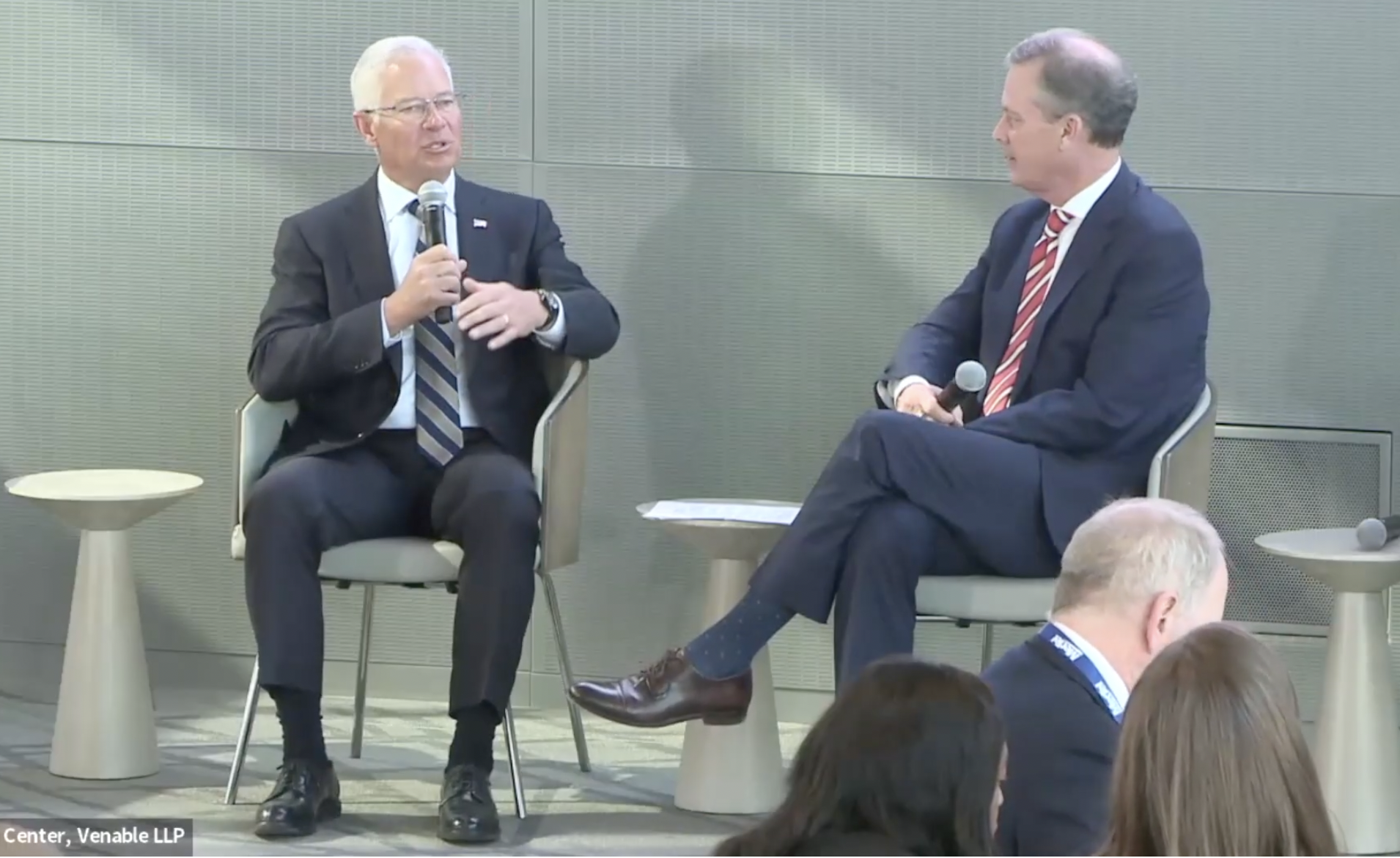
Panelists Share Dueling Visions of Energy Grid in AI Race
As big tech bring their own energy supply to data centers, will the electric grid suffer?
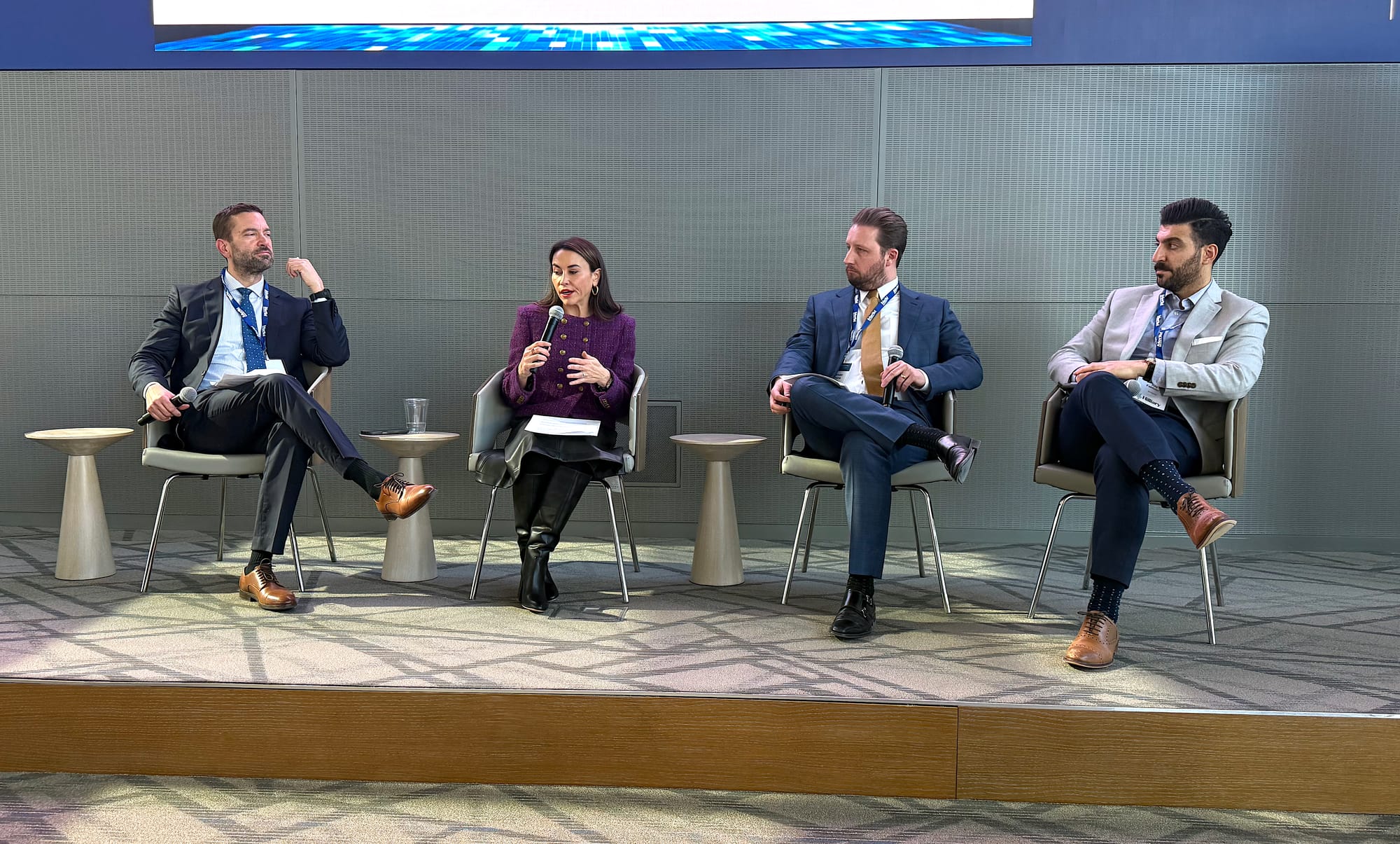
Holistic Approach Is Needed to Solve Energy Bottlenecks, Panel Says
Permitting is a good start, but other changes and incentives are needed to solve energy challenges, INCOMPAS panel says.
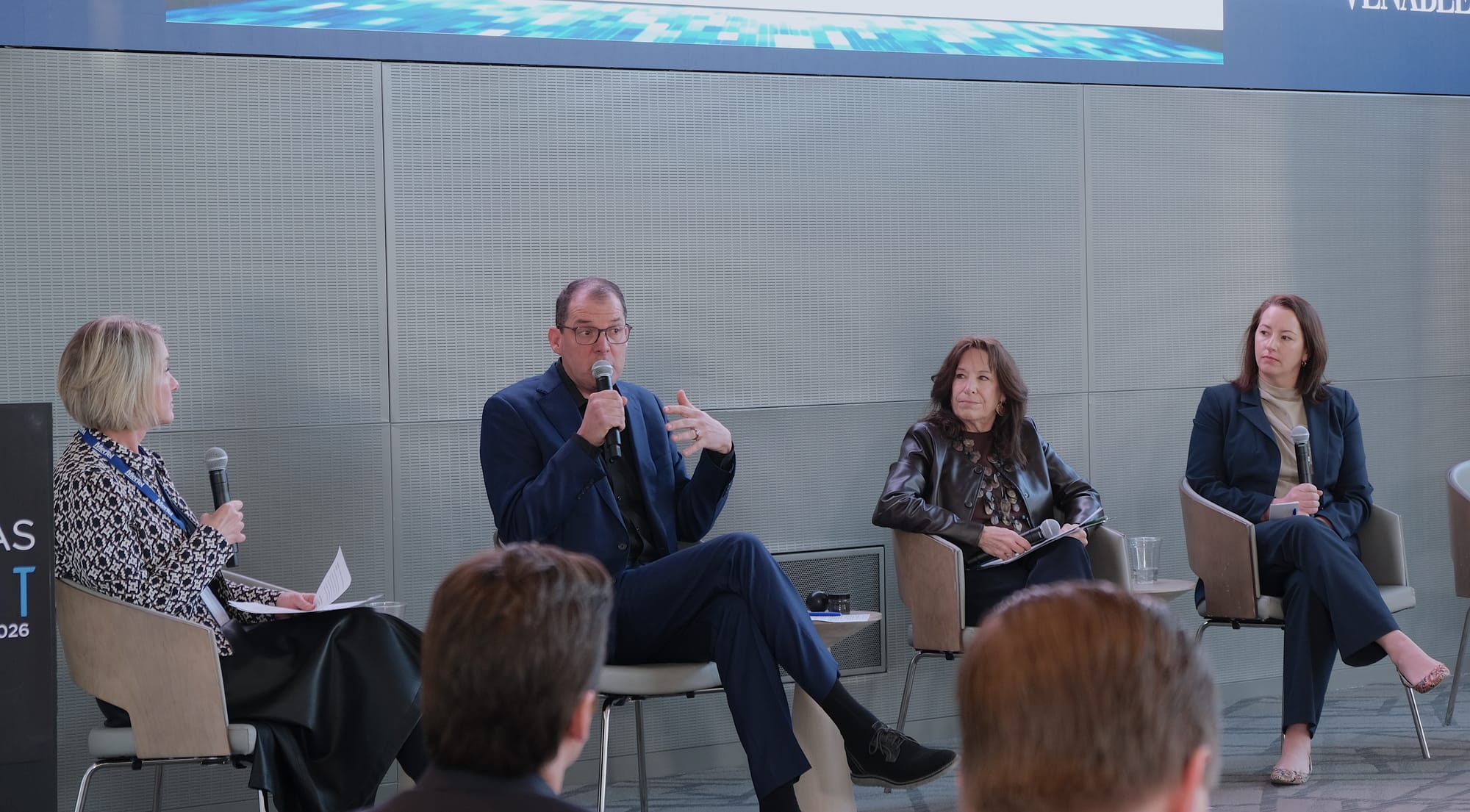
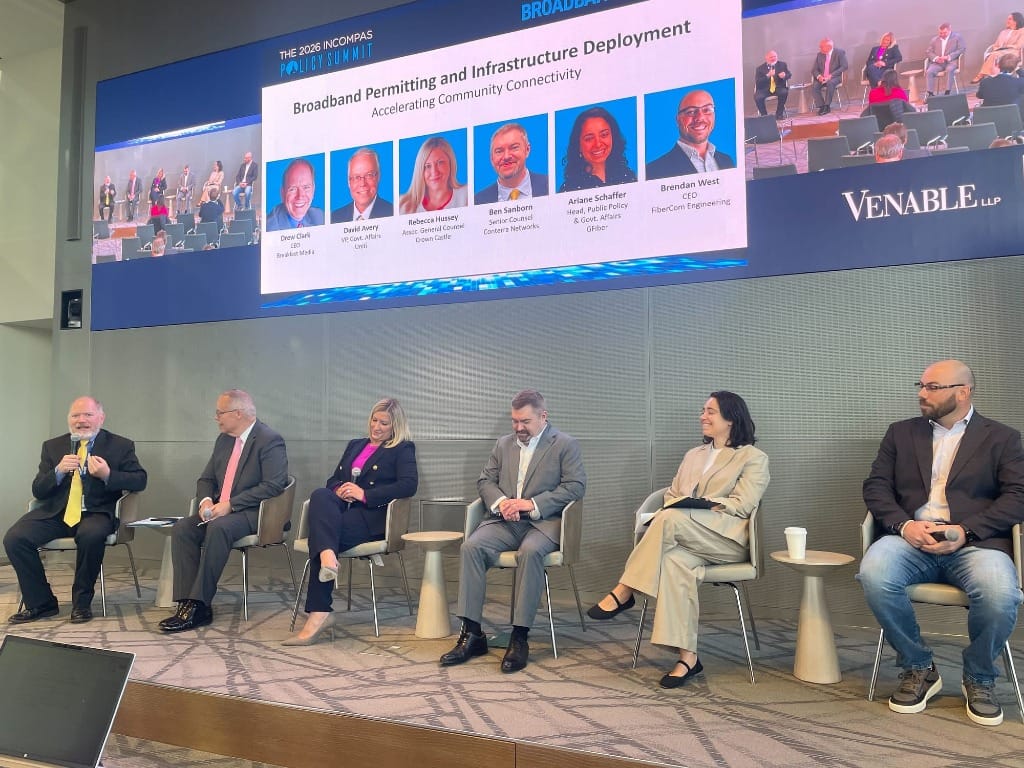
Permitting Delays Remain Top Broadband Deployment Obstacle: Industry Leaders
From railroad crossings to pole attachments, permitting emerged as the primary obstacle slowing fiber broadband deployments.
North Dakota's Fedorchak Wants to Give Senate a Menu For Permitting Changes
Providing the Senate with a variety of permitting reform packages may lead to a consolidation of ideas with bipartisan support, she said.

Federal Permitting Council Introduces Faster Data Center Permitting Process
In alignment with President Trump’s goals, the council is working on new data center projects through a streamlined process.
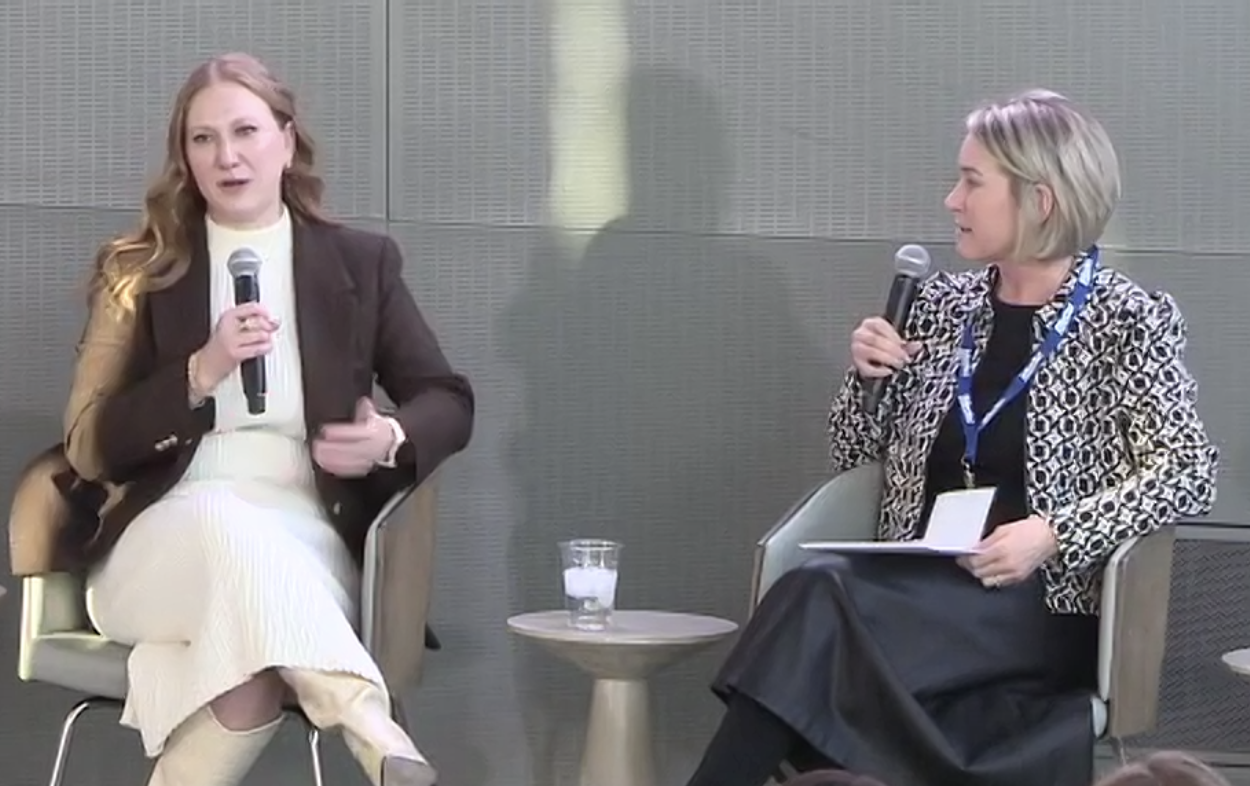
Obernolte: Passing Bipartisan AI Regulation Would Send Strong Message to Public
The California Republican congressman hosts a monthly bipartisan dinner club on Capitol Hill to build relationships.
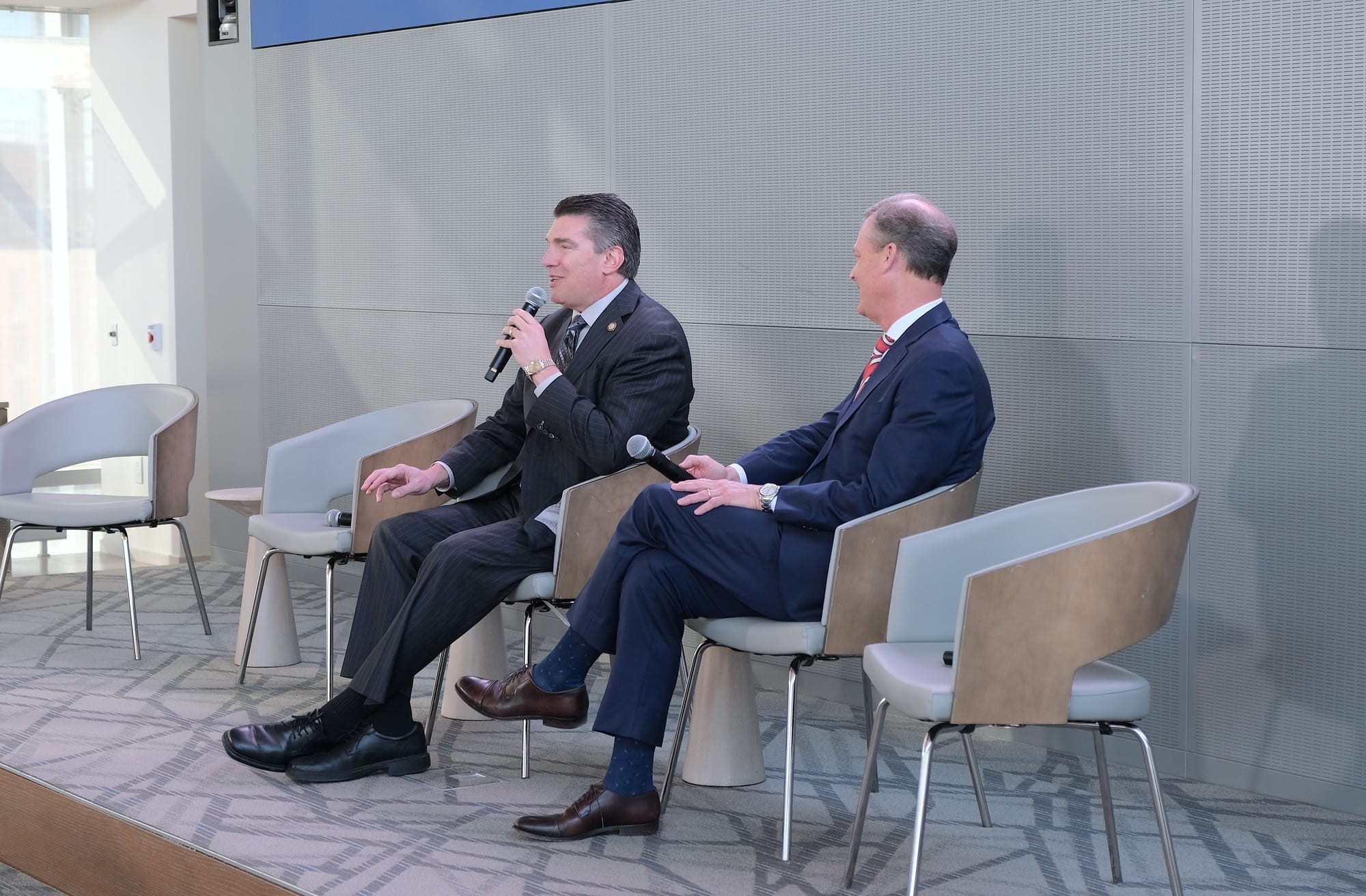
New 'Data Center Excellence' Standard From Telecom Trade Group
In the AI race with China, data centers need quality standards for a streamlined process, the trade groups said.
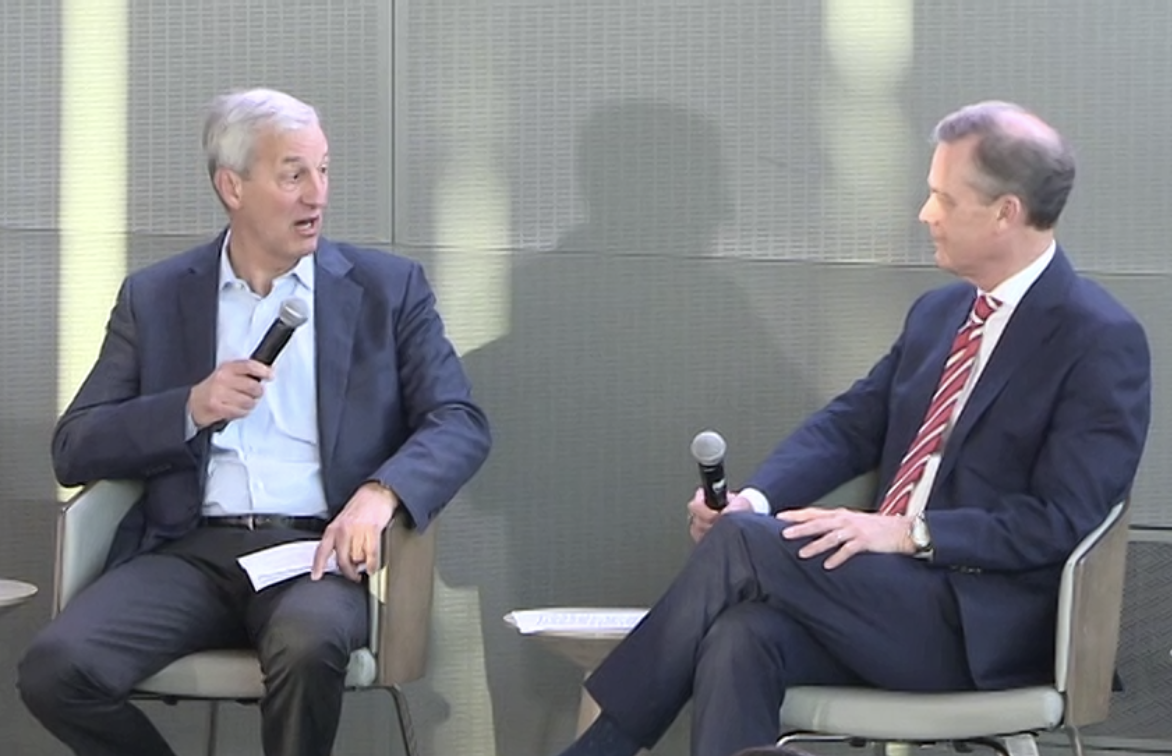
Energy for AI Will Require An All-Source Approach, McCormick Says
‘This is happening across the world, we don't have a choice of opting out,’ said the Pennsylvania Republican
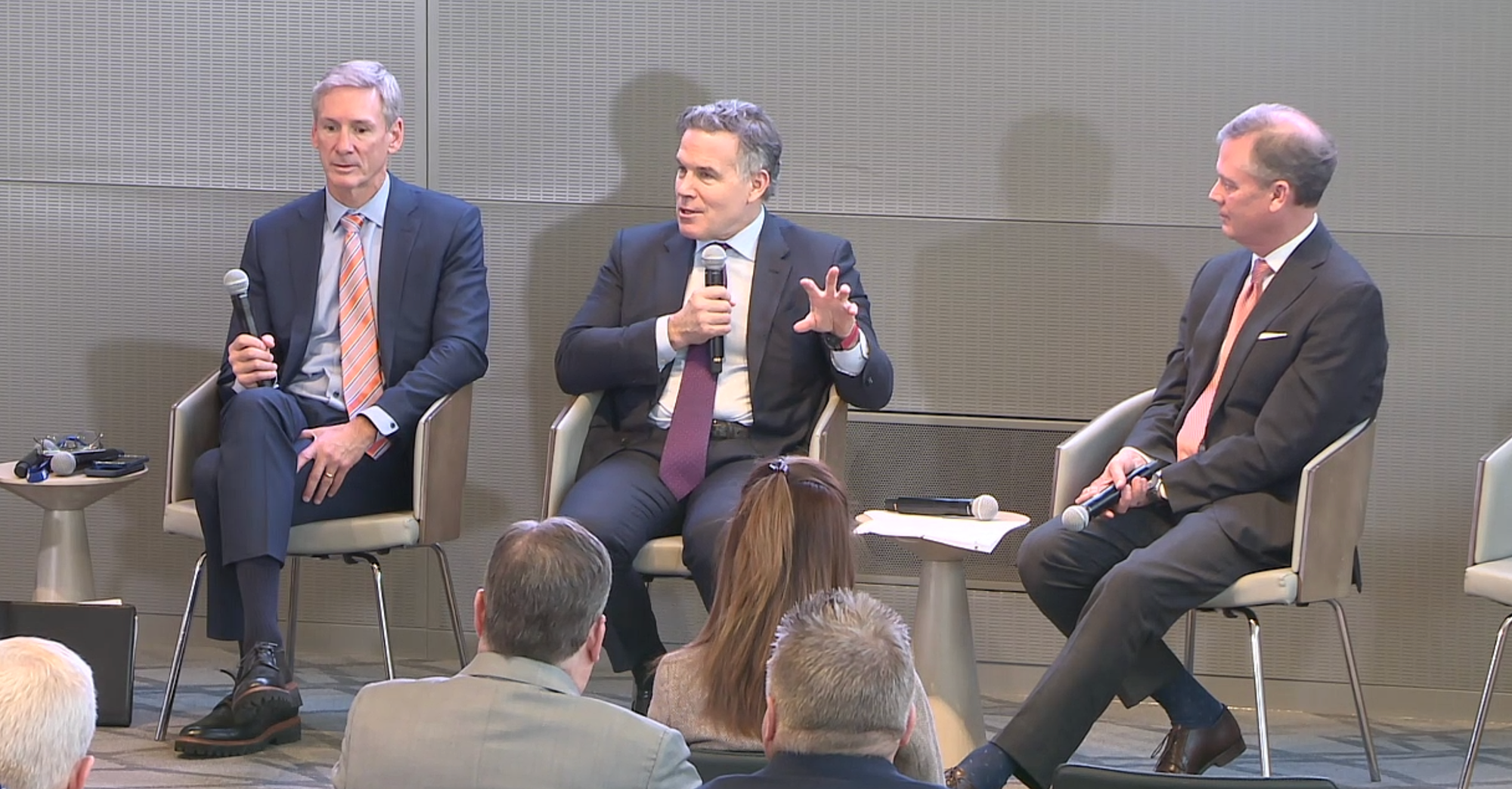
Sen. Ben Ray Luján Expressed Frustration, Dedication to Federal Permitting Reform
Despite partisan challenges, Luján said moving past them was necessary for the U.S. to become a world leader.
Telecom Officials Urge Caution For Orderly Transition to Internet Protocol Networks
Panelists highlighted the remaining challenges for bringing next generation 911 call centers online
Natural Resources Chairman Says SPEED Act Unlocks Faster Infrastructure Deployment
Years-long federal permitting delays are slowing major infrastructure deployment, raising costs for consumers and undermining competitiveness.
Fixed Wireless Providers Applaud Trump-Era BEAD Changes
Tarana and Nextlink emphasized opportunities they now have to provide fixed wireless connectivity to underserved communities.
Rep. Richard Hudson Says He Fought For BEAD Funding
He said he believed strongly in the Broadband Equity, Access and Deployment program, and wanted to ensure that the funds were spent.
Idaho Gets NIST Approval to Advance Broadband Deployment
Idaho, Washington, Nebraska detailed mixed-technology builds and non-deployment priorities
State Attorneys General to FCC: Don’t Preempt AI Laws
The agency asked whether to consider AI laws as part of a broader preemption effort.
Industry Opposed to New Licensing for Subsea Cable Terminals
The FCC proposed a licensing regime, citing national security concerns.

Broadband Breakfast on February 4, 2026 - Live From INCOMPAS Policy Summit
Industry experts discuss how to overcome permitting bottlenecks that are stalling critical broadband infrastructure projects and keeping communities offline.

Broadband Industry Likes New Non-Deployment Bill
The SUCCESS for BEAD Act would allow more spending on infrastructure, but didn’t specify adoption or affordability efforts.

White House Issues Order Pledging to Withhold BEAD Funds From States With 'Onerous' AI Laws
Order tones down language of leaked draft, but continues restriction on dispensing remaining BEAD funds to states with 'onerous' AI laws.
On Pole Attachments, Industry Groups Battle Over Cost Caps and Utility Control
Comcast cited 13,000 Virginia locations facing delayed deployments from pole disputes.

Senate Unveils RAIL Act Days After House Advances Its Own Version
The bill would set permitting deadlines for work in railroad rights-of-way.
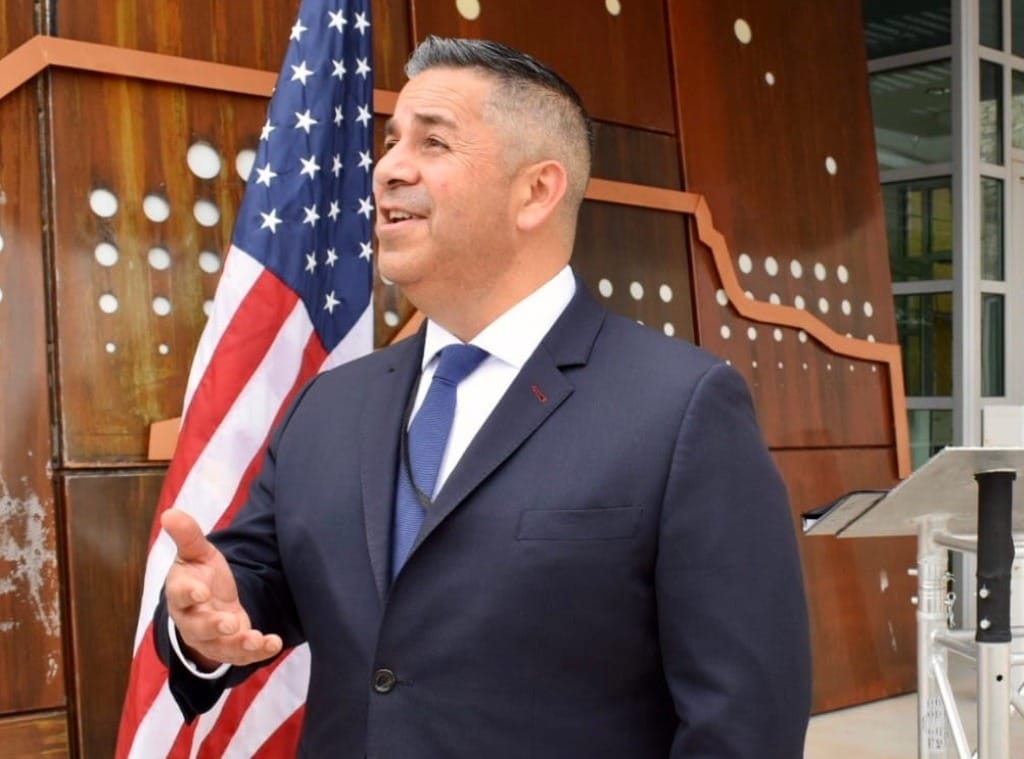
Why the RAIL Act Matters for America’s Digital Future
The RAIL Act aims to stop railroad companies from blocking broadband expansion with excessive fees and permit delays.

‘How Do We Call for Help?’ Rural Residents Push Back on FCC’s Copper Retirement
Wildfire survivors, first responders, seniors and rural residents warn that landlines remain essential.
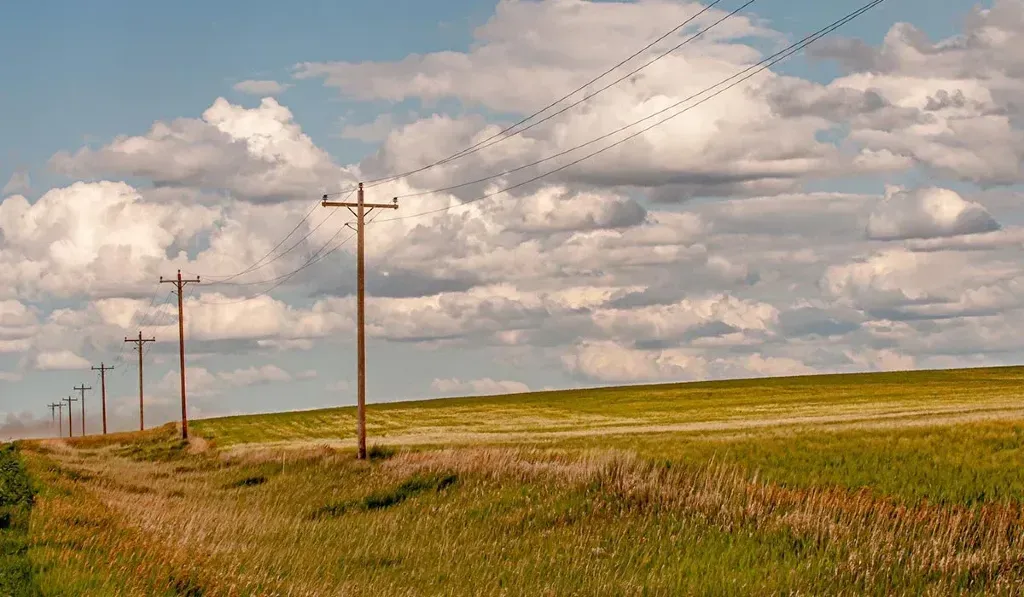
INCOMPAS Presses FCC to Reform Pole Attachment Rules
INCOMPAS urged the FCC to adopt fair pole attachment rules
House Panel Pushes GOP-Led Broadband Permitting Package
Twenty-nine-bill slate would impose shot clocks and narrow environmental reviews to speed broadband deployment.
Don’t Ban Test Labs in China, Tech Industry Says
The FCC estimates 75 percent of new wireless devices are tested in the country.
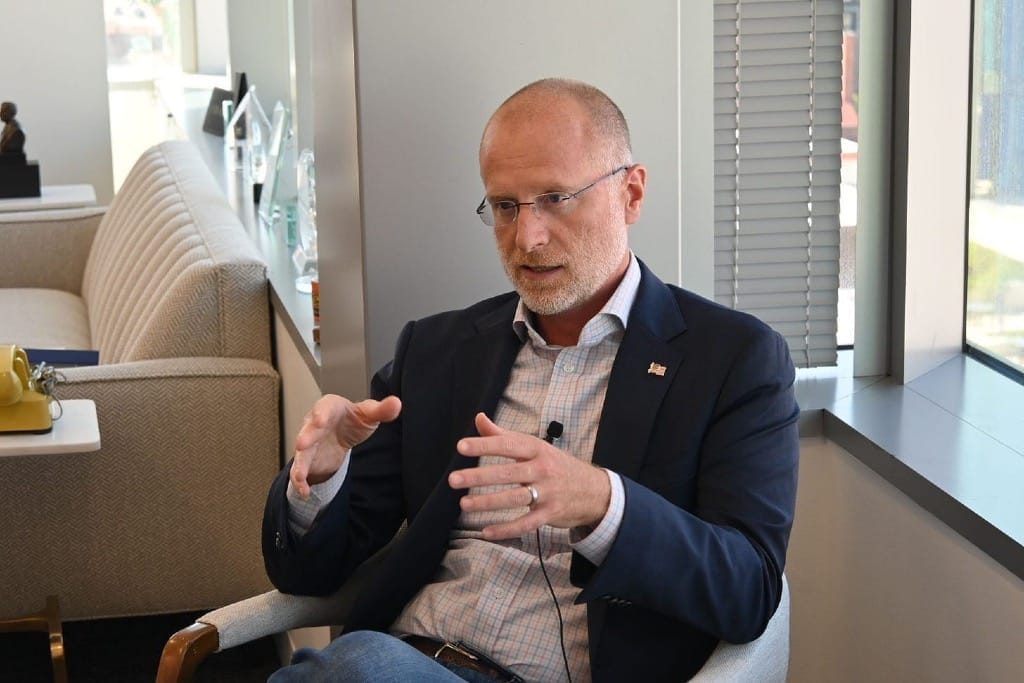
AI Infrastructure Boom Drives Need for Jump in U.S. Energy Production, Experts Say
AI's energy demands will require a 25% boost in U.S. electricity production over five years, experts warned.

FCC Proposal to Scale Back Broadband Standards Draws Fire
Rural co-ops press FCC for symmetrical 100 * 100 Mbps broadband standard

AI’s Energy Appetite Is Growing; Permitting Delays Could Starve It
Outdated permitting systems could stymie nuclear projects needed for tomorrow’s data centers, panelists said.

Who Might Replace Geoffrey Starks at the FCC?
Trump’s next move could upend agency norms.

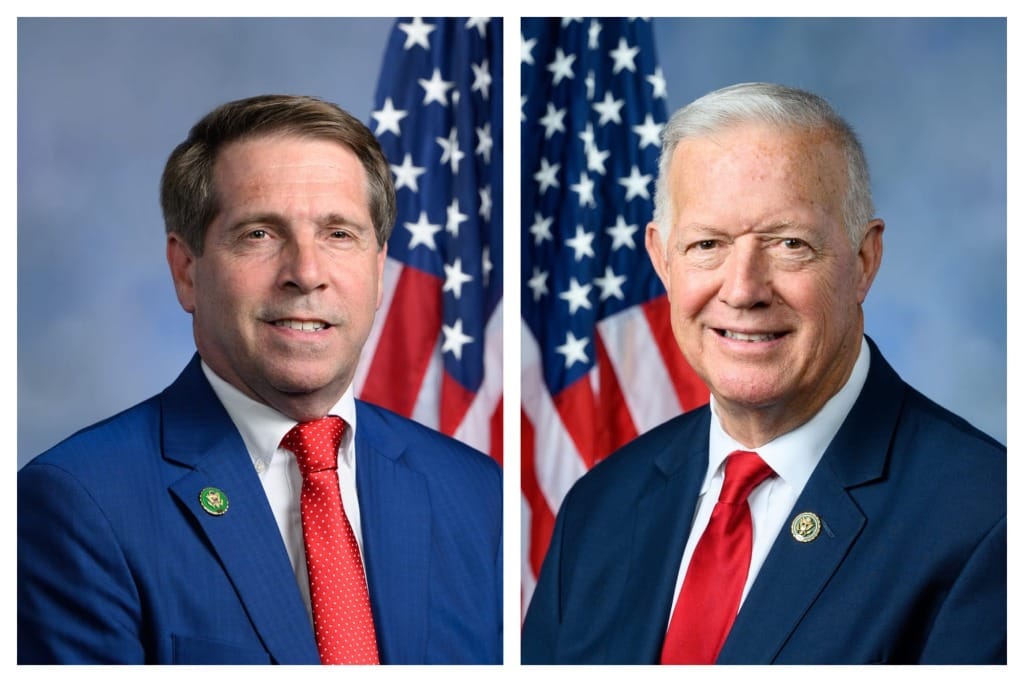
Reps. Fleischmann and Weber to Headline Data Center and Energy Summit
Experts gather next Thursday to explore AI infrastructure challenges at the intersection of data centers, nuclear power, and broadband.
BEAD Tax Bill Costs $2.5 Billion in First Six Years, Analysis Shows
Joint Committee on Taxation in 2023 Put 11-Year Cost at $578 million
AI Policy Patchwork Creates Confusion, Experts Say
Some want a national framework to prevent compliance challenges and market uncertainty.

Rep. Matsui ‘Suspicious’ About BEAD Policy Shift
Lawmaker accuses GOP of reallocating money to ‘predetermined winners.’

Experts Warn of Subsea Cable Risks Amid Rising Geopolitical Tensions
Call for stronger protections as private firms dominate subsea networks

Ex-Rep. Greg Walden to Lobby for Constellation Energy
Former Energy and Commerce Chairman to work on nuclear energy policy

Carr Lays Out Thoughts on BEAD and Fiber, Other Priorities
Carr also said he was 'confident that we're getting this new auction authority back'.

Nuclear is the Answer to the Growing Demands on the Digital Grid, Some Say
X-energy has been developing small modular reactors in an effort to offer more flexibility and reliability.

Rep. John Joyce Provides Updates on Nuclear, SPEED for BEAD
Noted Constellation’s Three Mile Island restart currently a year ahead of schedule
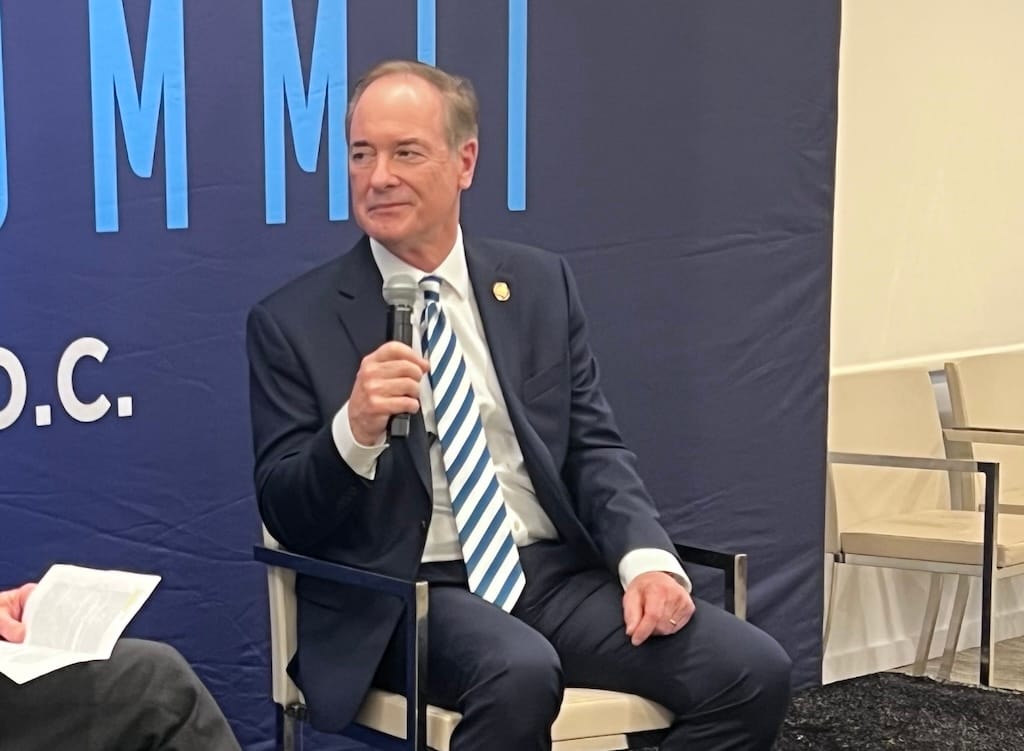
Moran Eyes Reconciliation to Stop Tax on Broadband Grants
‘Reconciliation is probably the only possibility,’ Sen. Jerry Moran said at the INCOMPAS policy summit.

Commissioner Anna Gomez Urges FCC to Lead USF Talks
'This is an opportunity for the FCC to strengthen the [Universal Service Fund],' Gomez said.

Rep. Latta Sees Bipartisan Interest in Nuclear Power
Latta says that investing in nuclear energy is necessary to support the rapidly growing digital grid.

FCC Chairman Carr to Speak at 2025 INCOMPAS Policy Summit
Simington, Gomez will also represent the FCC.
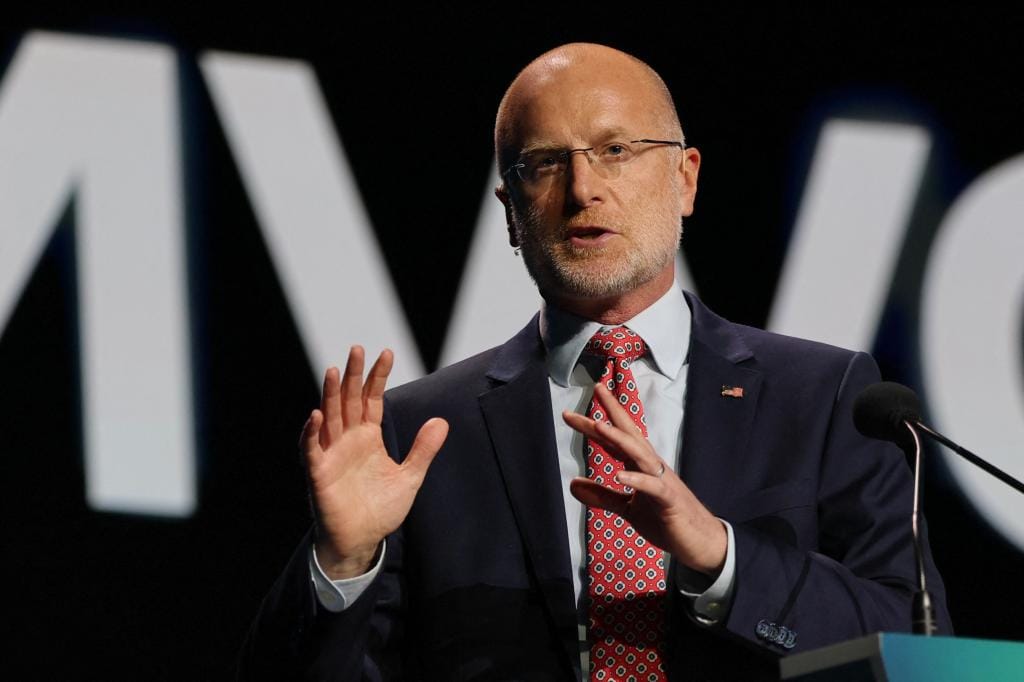
Former FCC Commissioner Predicts Court Battle Over BEAD’s Fiber Preference
But Kathryn de Wit of Pew said the structure of BEAD was carefully crafted to address systemic flaws in federal broadband policy.

NTIA Nominee Roth Has Big Issues with BEAD
Incoming NTIA chief Arielle Roth would abolish fiber preference, low-cost mandates.

Sen. Moran Wants to Shield BEAD Grants from Taxation
Kansas senator hinted at tying broadband tax exemption to reconciliation bill.

Chart of Mobile Subscribers
Broadband Breakfast is tracking mobile subscriptions.

Chart of Mobile Prepaid Subscribers
Broadband Breakfast is tracking mobile prepaid subscriptions.

Chart of Mobile Postpaid Subscribers
Broadband Breakfast is tracking mobile postpaid subscribers.

12 Days of Broadband
An annual series of the year's top 12 stories in broadband.
INCOMPAS Offers Support for EchoStar’s 5G Buildout Extension
EchoStar made a strong and compelling case, trade groups says
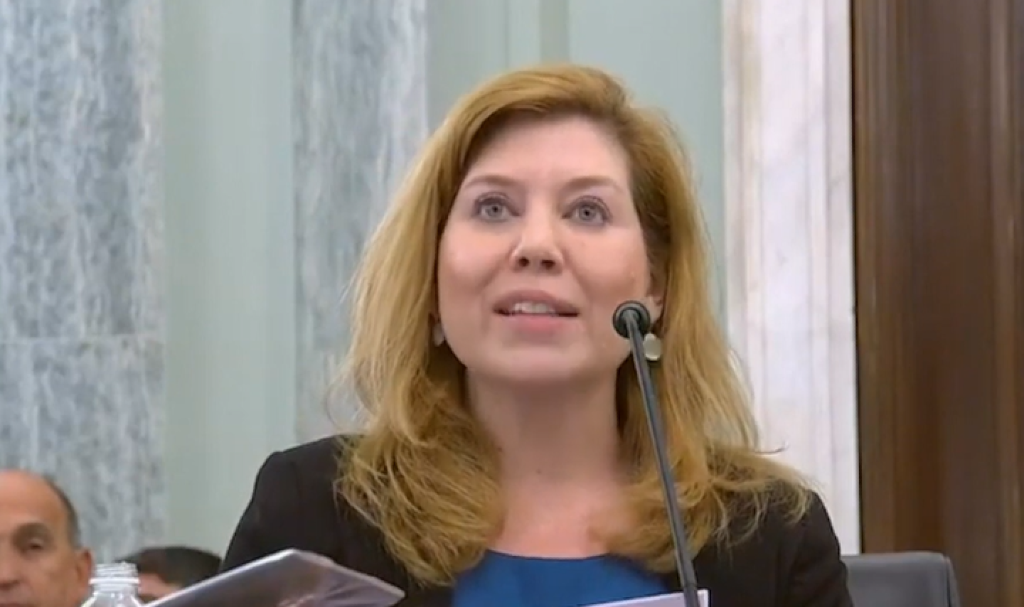
Policy Analyst: Expand USF to Include Edge Providers
Roslyn Layton calls for including digital services in USF funding to relieve burden on telecom consumers.

State and Industry Leaders Offer BEAD Update
Panelists emphasized community, collaboration as essential to BEAD success
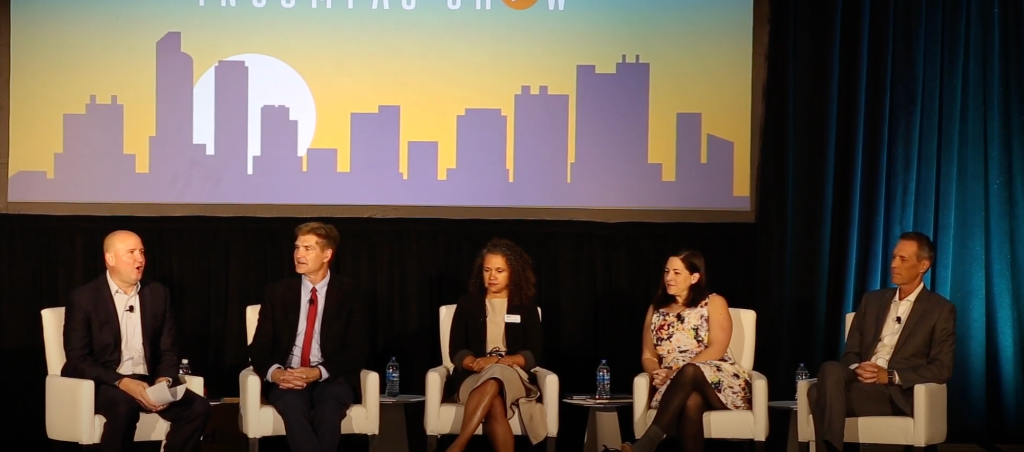
ACA, INCOMPAS: Don’t Include Satellite in Broadband Deployment Analysis
The competitive provider groups differed on including fixed wireless.

Local Leaders Oppose Broadband Permitting Bill
The bill's opposers argue it threatens the work of local governments and ISPs in preparation for BEAD.

Net Neutrality Levels Pole Attachment Playing Field: INCOMPAS, CPUC
INCOMPAS said its members get worse pole deals without FCC support.
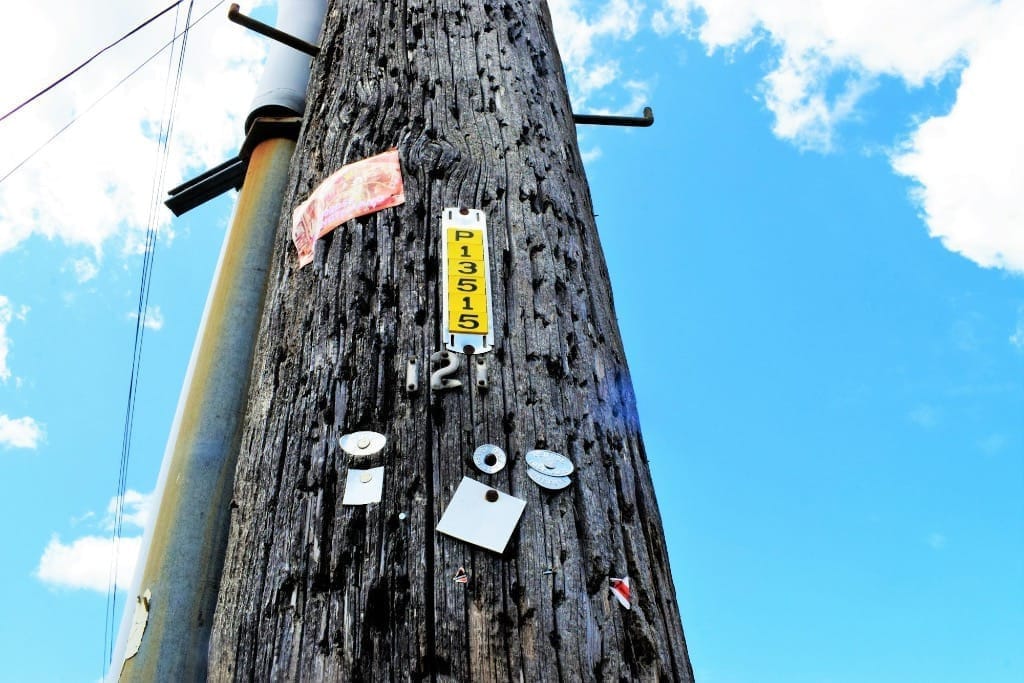
Benton: Local Governments Crucial in Preventing BEAD Bottlenecks
Across local, state, and federal levels efforts to streamline broadband permitting are intensifying.
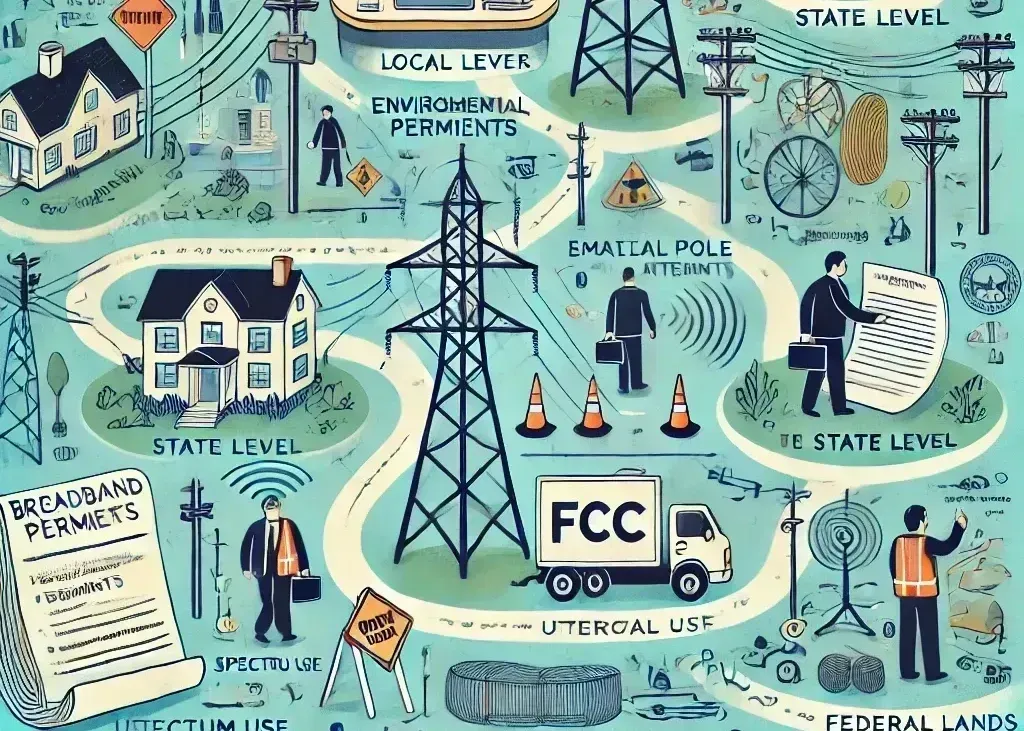
FCC Moves Forward with 5G Fund for Rural America
Carr argued against moving forward with fund changes before BEAD deployments.
Rural Wireless Carriers Ask FCC to Verify Coverage Data Before 5G Fund
The forthcoming program is slated to spend up to $9 billion supporting rural 5G access.

INCOMPAS Views Broadband As A Highly Concentrated Arena
Trade group wants FCC to address ISP market concentration in a pending report to Congress
AT&T: Big Tech Needs to Help Fund the USF
USF contribution base should include tech companies, AT&T says

INCOMPAS: Deployment Barriers Hurting Effort to Close the Digital Divide
Telecommunications companies describe barriers preventing faster deployment of broadband networks

INCOMPAS Wants FCC to Hit Pause on 5G Fund
The group seeks a multiyear delay for the FCC to await the results of the $42.45 billion BEAD program.

FCC’s Net Neutrality Rules Come With a Few Tweaks
A decision to forbear from applying Title II’s rate regulation provisions would preempt New York’s law, argues one scholar.

Did Rosenworcel Make Changes to the Net Neutrality Draft Rules?
FCC Chairwoman Rosenworcel spent the last three weeks fielding various entreaties.
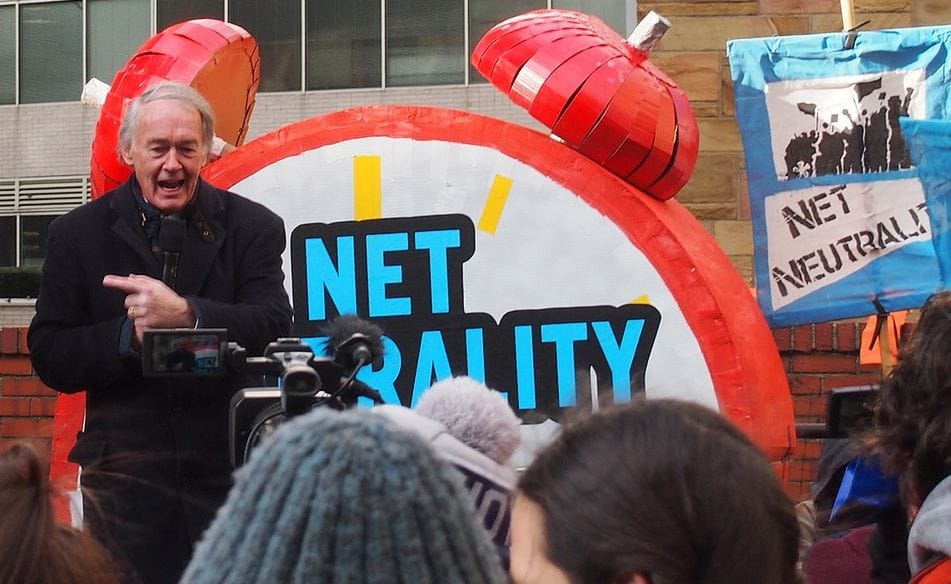
The Battle Over the Future of USF Funding Rages On
INCOMPAS and CCIA side with Affordable Broadband Campaign, and against Rosenworcel, on simmering battle over USF.

Coalition to Reform USF Raises Alarm About FCC Exempting Broadband Providers
Thursday's draft net neutrality order excuses broadband internet service providers from contributions.

Net Neutrality Commenters Continue to Disagree on Network Slicing
Public interest groups say the practice could allow mobile providers to skirt rules on paid prioritization

Broadband Providers Oppose Another Petition to Change FCC Pole Rules
A coalition of utility companies asked the FCC to discard part of its new pole attachment rules.

Implementation Steps for National Spectrum Strategy Announced
The implementation plan aims to bolster the U.S. spectrum workforce to support future wireless policy and innovation.
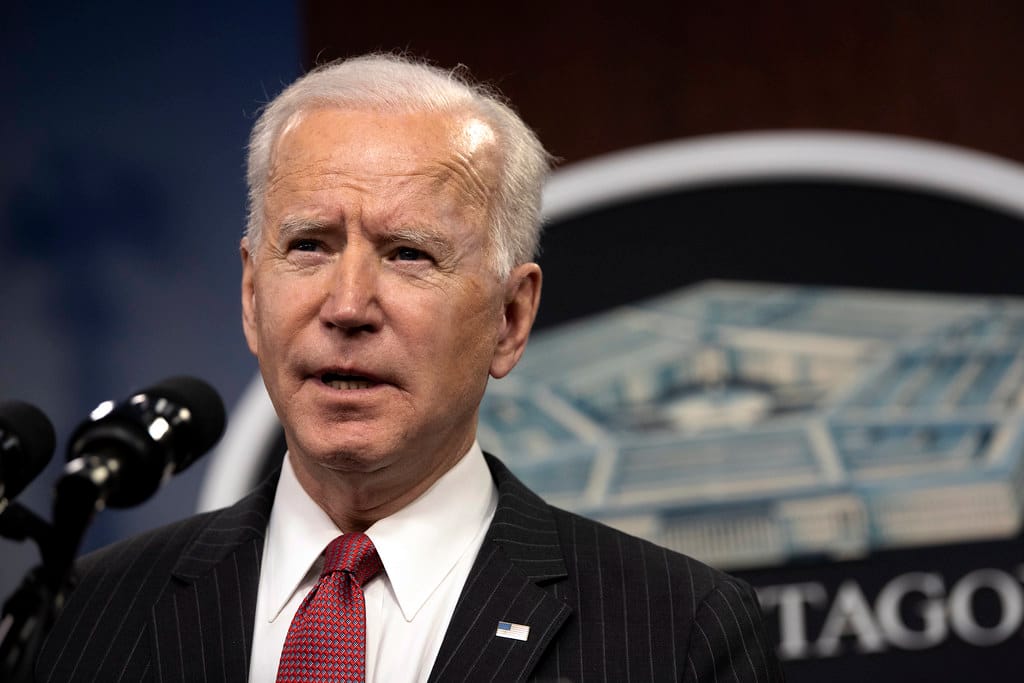
Starks Pushes for ACP Renewal at INCOMPAS Summit
Starks hailed the ACP as the most effective program to date in helping low-income Americans maintain online connectivity.
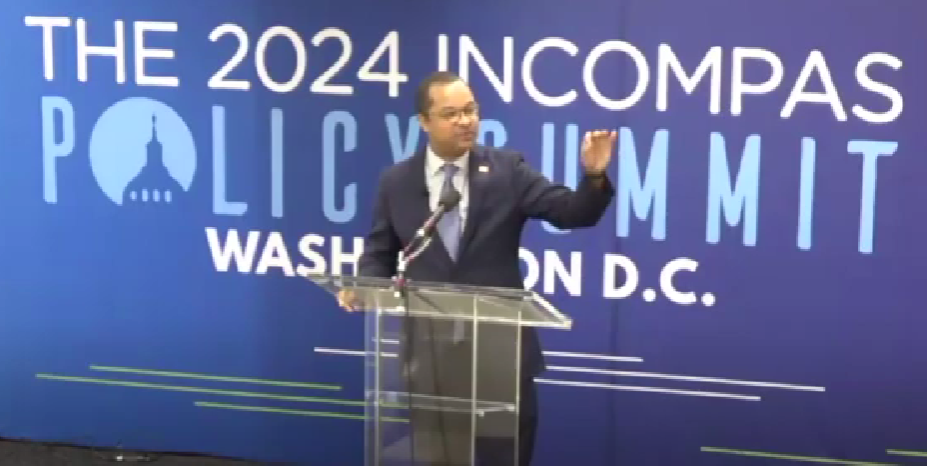
Utility Companies Push Back Against FCC's New Pole Regulations
Seven telecom organizations oppose an electric utility association's petition to the FCC, which seeks to overturn pole attachment changes.
Georgia House Votes to Exempt BEAD, ARPA Grants from State Taxes
The measure now heads to the Georgia Senate, passing the House by a vote of 162-1.

Broadband Industry Groups Push for Tax-Exempt Grants
Seven trade groups urged lawmakers to pass the Broadband Grant Tax Treatment Act.

INCOMPAS Drives City Preparedness for Broadband Funding with BroadLAND Initiatives
Key objectives include streamlining permitting applications to facilitate wireless and fiber deployment.

Chip Pickering: 'Broadband Ready City Checklist' a 5-Point Guide for Cities
The checklist covers fair and reasonable costs, timely permitting reviews, greater transparency and innovative deployment processes.

Broadband Trade Group Continues Lobbying on Railroad Crossings
Right-of-way disputes regularly hold up deployments, providers said.
Industry Groups Continue to Disagree on Pole Attachments Ahead of BEAD
Telecoms and utility companies want each other to pay for pole replacements.
A Hidden Issue Potentially Impacting BEAD Implementation: Pole Attachments
Problems accessing poles could delay fiber builds funded by the Broadband Equity, Access and Deployment program.
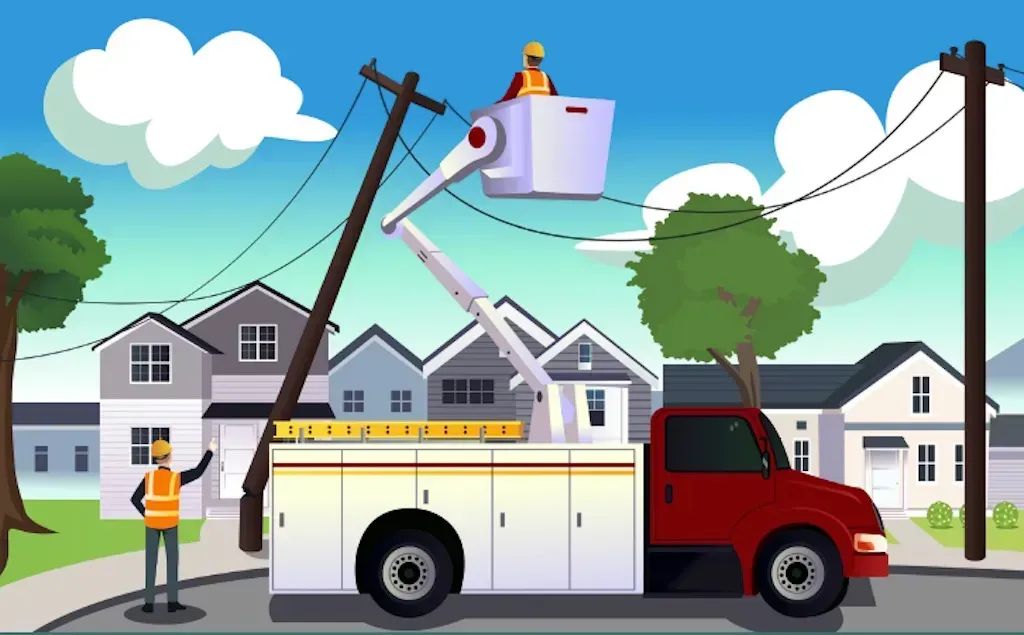
Broadband Breakfast on Wednesday, September 27, 2023 – What Happens Next on Net Neutrality?
Industry and non-profit experts on both sides of net neutrality speak at 12 Noon ET on Wednesday.

Federal Broadband Subsidies Essential for Long-Term BEAD Success: Experts
It’s not just about building networks, but providing affordability through programs like the ACP.
Tech Trade Group Report Argues for USF Funding from Broadband Companies
Consulting firm Brattle Group said in a report the move would be economically sound.
A Deep Dive into the BEAD Program’s Matching Funds
Will the program’s matching funds requirement stretch federal dollars, or hinder smalller providers?

Broadband Breakfast on Wednesday, October 25, 2023 – Railroad Crossing and the Broadband Right-of-Way
Fiber providers are facing challenges in the right-of-way access across public lanes or private properties

FCC Hears Need for More Flexible 12 GHz Band to Support Fixed Wireless Applications
Rulemaking could unlock critical capacity in the 12.2 GHz spectrum band.
Commenters Say BEAD Rules that Restrict Program Revenue and Letter of Credit Should Be Changed
Proposed changes to regulations would lift program revenue restrictions for recipients of BEAD funds.
Precursors to BEAD Implementation: A Deep Dive Into Prior Broadband Programs
How will prior broadband programs impact BEAD Implementation?

A Deep Dive into Allocations Under the Broadband Equity, Access and Deployment Program
What’s next for BEAD implementation?

FCC Proposed Rules Will Harm Legitimate Text Messages, Say Commenters
The rules would ban the practice of marketers purporting to have written consent for numerous parties to contact a consumer.

Impacts of the CHIPS and Science Act of 2022
When President Biden talks about his economic program, the CHIPS Act is the star of the show.

Angie Kronenberg: The FCC Must Act Now to Save the USF
While the USF remains vital in an ever-increasing connected world, it is in serious jeopardy of surviving.

Should Big Tech or Broadband Be Tapped for USF Contributions?
Including all broadband internet revenue will alter the internet in uncertain ways, claims expert.
Revisiting the NTIA's Middle Program Ahead of Funding Announcements
The NTIA is on the cusp of announcing the award winners to the states by June 30, 2023.

Green Energy Provisions Meet Smart Grid and Broadband Infrastructure
Advances for the green economy in the Inflation Reduction Act rely upon smart grid infrastructure.