White Paper
Protecting Critical Communications Infrastructure: Emerging Threats & Needed Solutions
White Paper by NCTA
Overview
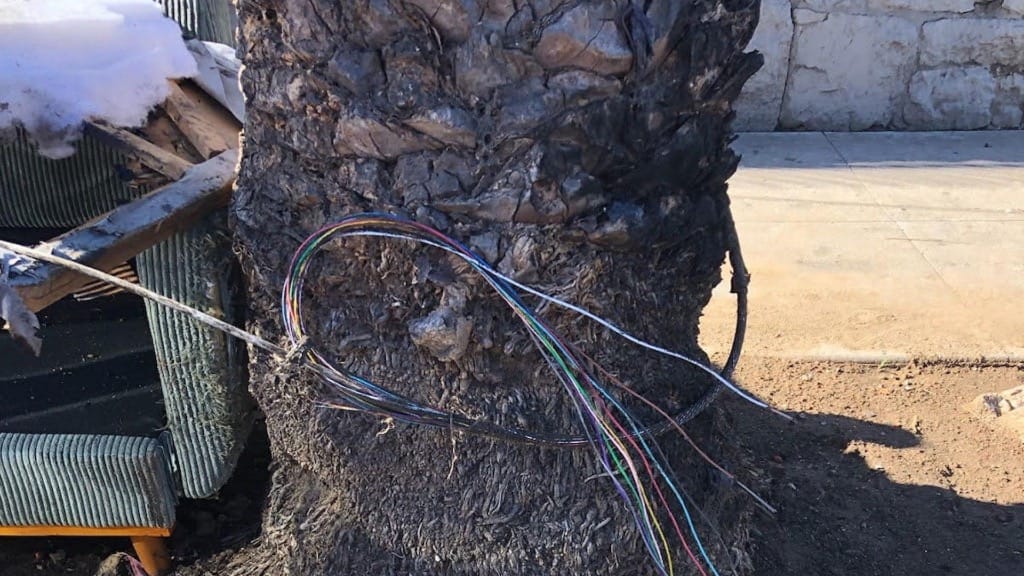
The nation’s communications infrastructure is a foundational component of critical infrastructure, supporting public safety, national defense, health care, transportation systems, financial markets, and daily life. Disruptions to these networks can cascade across sectors, making attacks a significant public safety and economic threat. Attacks on communications networks have escalated in recent years with more than 18,000 incidents nationwide, affecting over 11.8 million customers. This theft and vandalism are driven in part by scrap metal resale incentives, limited oversight of secondary metals transactions, and legal gaps that leave communications assets insufficiently protected. These crimes jeopardize essential services and impose substantial repair and operational costs across the economy. Addressing this threat will require stronger scrap-metal oversight, clearer critical infrastructure protections, enhanced penalties, and deeper coordination among providers, law enforcement, municipalities, and policymakers.
Scope & Scale of the Problem
Provider-reported data show a rapidly growing problem, increasing in both frequency and impact, and underscoring the urgency of action. Reports from communications providers show a sharp rise in incidents over the past year, affecting millions of customers nationwide. California and Texas account for more than half of all reported incidents. Communications networks are being targeted by thieves based on the mistaken belief that they contain copper; while some remaining legacy infrastructure does, most modern infrastructure is fiber-based. This means the stolen material has little resale value while the resulting outage and repair costs can be substantial.